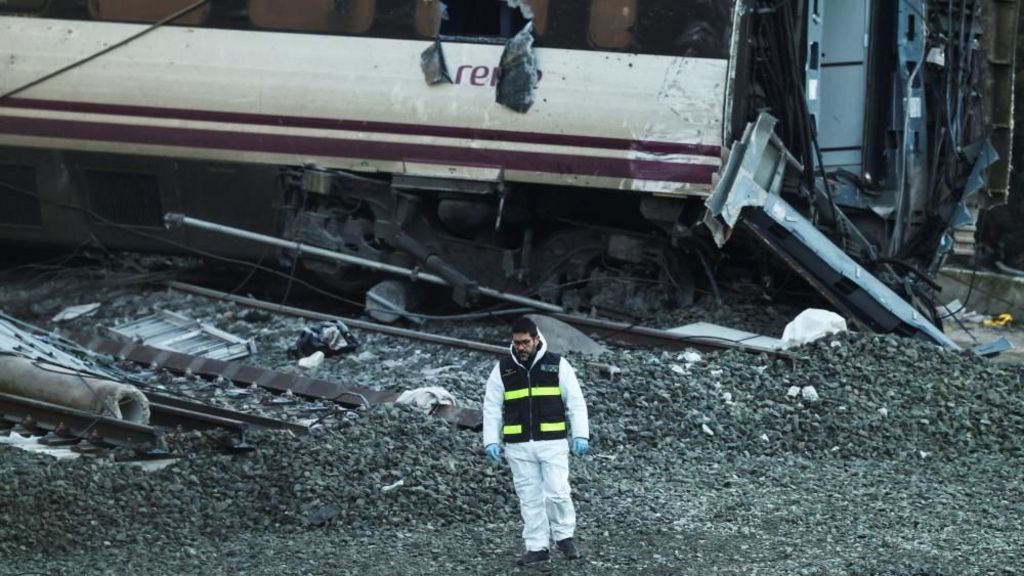
Spain’s renowned high-speed rail system, once celebrated as a global benchmark for efficiency and safety, now faces an unprecedented crisis following a series of devastating accidents that have claimed 46 lives and shaken public confidence. The nation observed three days of mourning this week as investigators continue probing the catastrophic collision between two high-speed trains in Andalusia, which represents the deadliest rail disaster in Spain’s modern history.
For three decades, Spain’s AVE network stood as a transport marvel—second only to China in total coverage with 3,900 kilometers of dedicated high-speed tracks. The system earned international acclaim, notably from former U.S. President Barack Obama who in 2009 praised the Madrid-Seville line as so successful that it outperformed air and road travel combined. Spanish engineering expertise even expanded globally, with consortiums building desert railways in Saudi Arabia.
This impeccable reputation shattered within days. The initial tragedy occurred when the rear carriages of an Italian-operated Iryo train derailed at high speed along a straight section near Córdoba, veering into the path of an oncoming Renfe service. The investigation’s preliminary findings reveal grooves on multiple train wheels suggesting track fracture preceded the derailment. Subsequently, a trainee driver died near Barcelona when heavy rainfall collapsed a wall onto his cab, while separate incidents involved rock collisions and crane impacts causing minor injuries.
The cascade of accidents has exposed systemic vulnerabilities. Catalonia’s train drivers initiated strike action demanding safety guarantees, paralyzing regional services. Nationwide, the Semaf union has called February strikes citing ‘constant deterioration of rail infrastructure.’ Even high-speed lines now operate under temporary speed restrictions amid safety reviews.
Public trust has evaporated rapidly. Córdoba shopkeeper Alberto Montavez Montes, whose business faces city hall where flags fly at half-mast, expressed the prevailing sentiment: ‘It’s not psychosis, but undoubtedly you feel reluctant to board trains now.’ Local resident Olga Márquez reported her husband frequently noted concerning vibrations and noises on the very line where the collision occurred.
The political response has intensified scrutiny on maintenance investment. Transport Minister Óscar Puente defended government spending, noting €700 million recently allocated to modernize the Madrid-Andalusia line including the accident site. ‘We’re not looking at problems of maintenance, obsolescence, or investment,’ he asserted, while acknowledging potential ‘unprecedented network issues.’
However, European comparative data reveals Spain ranks last among 14 nations in per capita rail infrastructure investment. Engineering expert Salvador García-Ayllón warns liberalization policies that doubled annual high-speed passengers to 22 million have left Spanish rail ‘bursting at the seams.’ He analogized: ‘The challenge isn’t just buying a Ferrari—you must maintain it properly.’
Performance metrics confirm declining reliability: Renfe’s high-speed trains averaged 19-minute delays in July 2025, while technical incidents on Madrid’s commuter network tripled since 2019. The tragedies have ignited political warfare, with opposition parties accusing the government of withholding information and declaring train travel unsafe.
Prime Minister Pedro Sánchez acknowledged the ‘irreparable damage’ while maintaining that high-speed rail remains ‘Spain’s pride.’ Yet for citizens confronting broken confidence and unanswered safety questions, such assertions ring hollow amid the deepest crisis in Spanish rail history.