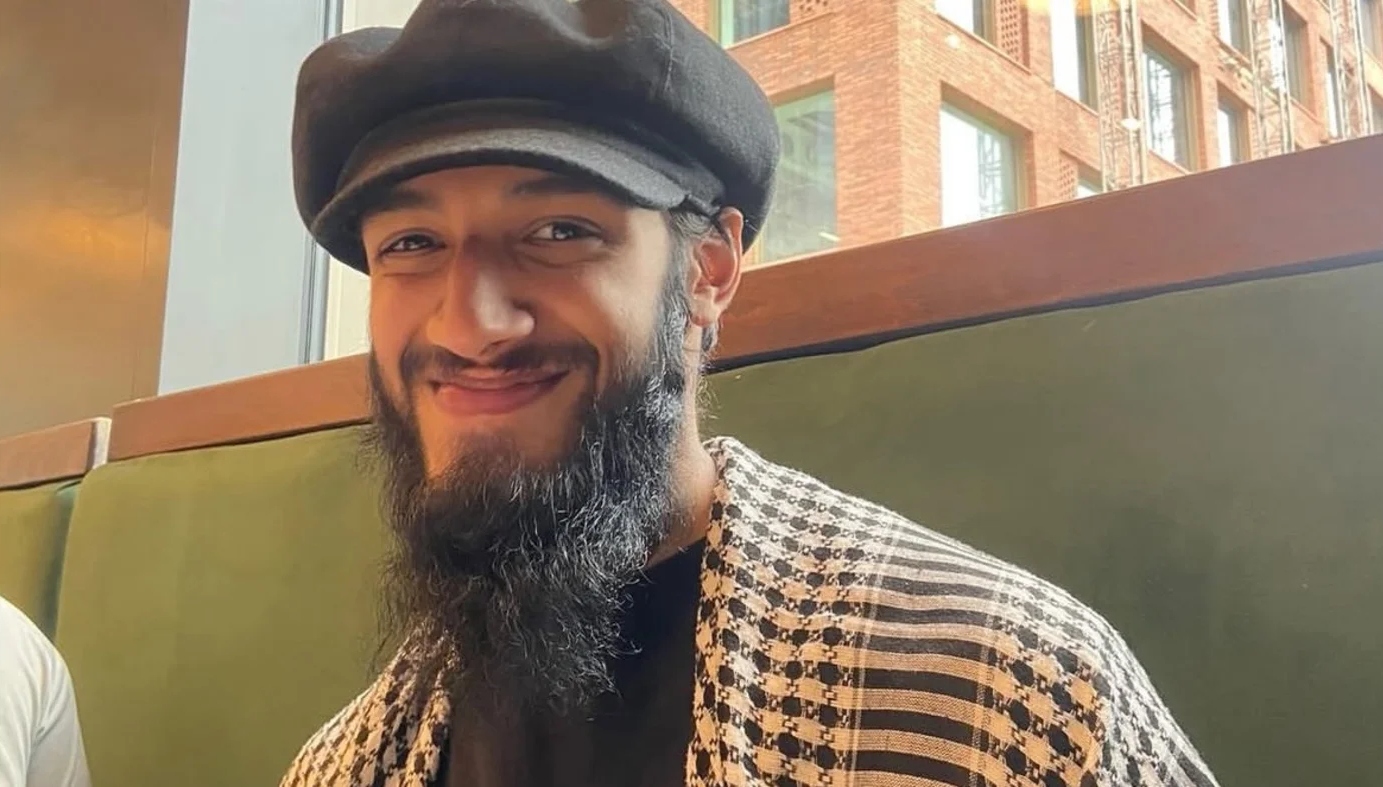
A British prisoner with muscular dystrophy has declared he will initiate a thirst strike on Saturday if authorities fail to address his demands for immediate bail and improved detention conditions. Muhammad Umer Khalid, 22, represents the final remaining hunger striker among seven individuals associated with the proscribed organization Palestine Action.
The collective hunger strike originally protested both the group’s official banning and what participants characterize as unjust detention protocols. While three strikers concluded their food refusal campaign in mid-January following the government’s termination of a substantial contract with Elbit Systems’ UK subsidiary, Khalid has resumed and now escalated his protest.
Currently held on remand at HMP Wormwood Scrubs concerning alleged activist activities at RAF Brize Norton, Khalid asserts that prison authorities have imposed severe restrictions on his communications. Through an intermediary, he reported receiving merely one visit, a single postcard, and two emails over a three-week period, despite friends claiming to have sent numerous correspondences.
Khalid stated: ‘Witnessing the government’s indifference to our deteriorating health demonstrates they place no value on our lives.’ His friend Danyal Osman confirmed these communications restrictions have additionally impeded Khalid’s legal consultations, causing procedural delays.
The Ministry of Justice refuted these allegations, emphasizing that all prisoners adhere to standardized national regulations regarding correspondence. Officials noted that legally privileged communications remain protected under policy, with vetting procedures applied proportionally to terrorism-related cases.
Medical expert James Smith expressed particular concern regarding Khalid’s planned thirst strike, highlighting that ‘deprivation of water precipitates rapid dehydration leading to multi-organ failure.’ Khalid’s muscular dystrophy condition compounds these health risks, as evidenced during his previous 12-day hunger strike which necessitated termination due to severe health deterioration.
The situation carries profound personal dimensions: Khalid previously served as primary caregiver for his mother, Shabana Khalid, who is battling cancer and depression. She described her rapid physical and emotional decline since her son’s imprisonment, noting the practical challenges of traveling from Manchester to London for limited visits.
Despite the grave health implications, supporters emphasize Khalid’s action stems not from suicidal tendencies but from profound commitment to his cause. Osman noted: ‘He loves life—this extremity demonstrates his conviction, not death wishes.’