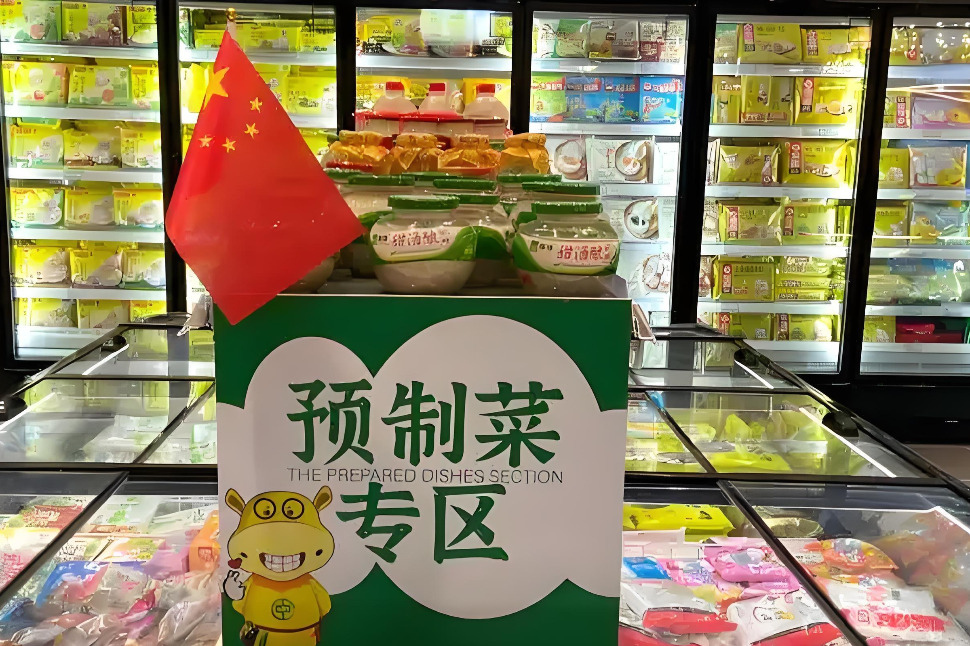
China is implementing comprehensive national standards for pre-made dishes following growing public concern over restaurant transparency and pricing practices. The new regulatory framework, developed jointly by the State Council’s Food Safety Office, National Health Commission, and State Administration for Market Regulation, aims to address the significant gap between consumer expectations and industry practices.
The drafted documents—National Food Safety Standards for Pre-Made Dishes and Terminology and Classification for Pre-Made Dishes—represent a substantial upgrade from 2024 regulations that initially defined pre-made dishes as prepackaged foods while creating a notable exemption for chain restaurants using central kitchen models. This exemption allowed restaurants to market semi-prepared ingredients as freshly cooked dishes while charging premium prices.
The regulatory movement follows a high-profile controversy involving Xibei, a national restaurant chain that faced significant backlash after influencer Luo Yonghao exposed their extensive use of pre-prepared ingredients. The revelation triggered widespread consumer outrage and resulted in substantial revenue losses for the chain, ultimately leading to the closure of 102 outlets nationwide.
Authorities have also collaborated with the Ministry of Commerce to draft a circular encouraging voluntary disclosure of food preparation methods. The new standards will undergo public consultation before formal implementation, marking a significant step toward greater transparency in China’s dining industry.
Industry experts note that consumer frustration stems not from the use of pre-made dishes themselves, but from the perception of deception and the premium pricing of items marketed as freshly prepared. The debate highlights three fundamental concerns: clear definition of food preparation methods, consumer right to prior knowledge, and overall food safety standards.
The Xibei case has become a focal point in China’s ongoing conversation about food transparency, demonstrating the growing disconnect between culinary marketing and kitchen reality. As the industry responds to these changes, restaurants nationwide are expected to adopt more transparent practices regarding food preparation and pricing.