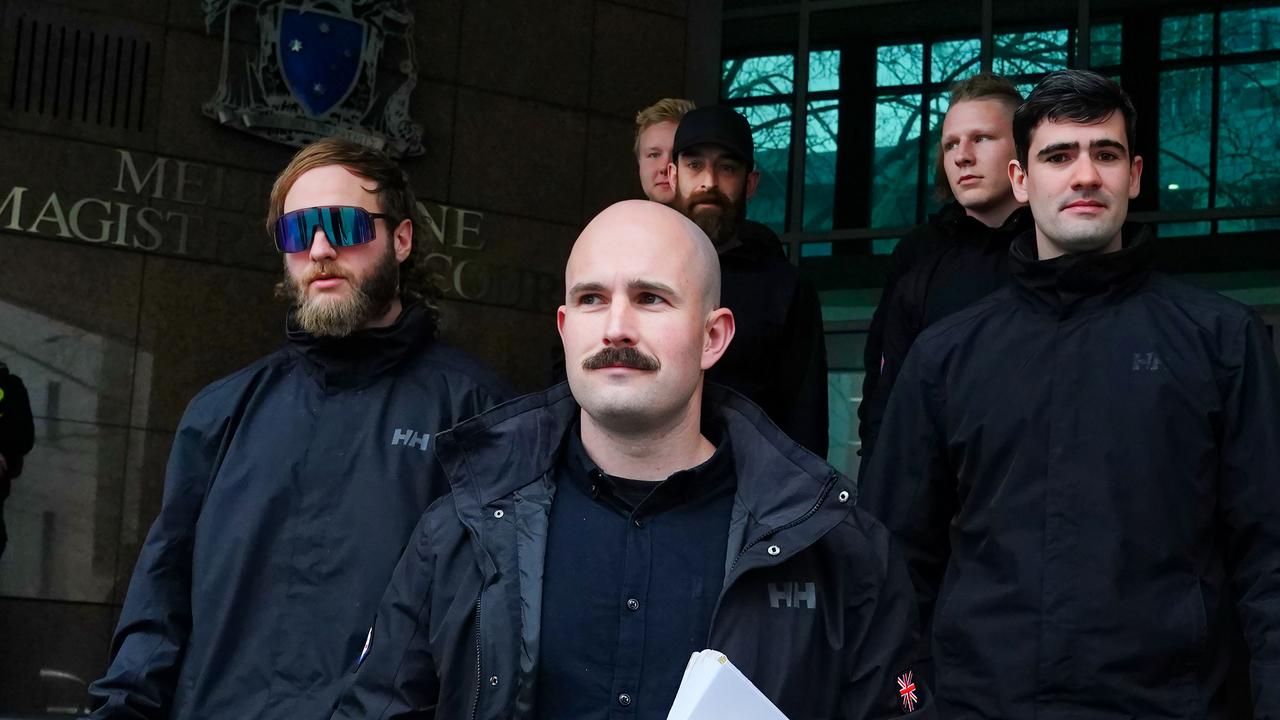
Melbourne Magistrates Court has become the battleground for a contentious legal showdown involving Thomas Sewell, the 32-year-old former leader of the National Socialist Network (NSN). Facing charges of offensive behavior and using obscene language during what he characterized as a political rally last year, Sewell is preparing to argue that his inflammatory speech delivered through a megaphone constitutes protected communication under Australia’s Constitution.
The case has gained significant attention following the recent disbandment of the NSN and associated groups, which occurred last Sunday in response to the government’s newly enacted Hate Speech laws. Home Affairs Minister Tony Burke had specifically identified both the NSN and radical Islamist organization Hizb ut-Tahrir as groups targeted by these new legislative provisions.
Sewell’s legal strategy took formal shape when prosecutors confirmed receipt of his constitutional claim notification to Australia’s Attorneys-General, inviting their potential intervention in the proceedings. This procedural requirement sets the stage for a potentially landmark legal challenge regarding free speech protections.
Supporting his defense, a crowdfunding initiative launched by Sewell has amassed $136,500, purportedly earmarked for a High Court challenge against the hate speech legislation. The substantial financial backing demonstrates significant support for his constitutional argument among certain segments of the population.
Magistrate Patrick Southey has ordered the case bifurcated, with criminal allegations scheduled for hearing on February 4, while constitutional arguments will be addressed separately to allow adequate response time for any intervening Attorneys-General. Prosecutors intend to call three witnesses: a civilian who allegedly filmed portions of Sewell’s speech, a police officer who documented related social media content, and the investigating officer who filed the charges.
The prosecution is currently evaluating whether to proceed with or withdraw the obscene language charge before the February hearing, indicating the complexity of balancing free speech protections with community standards regarding offensive language in public discourse.