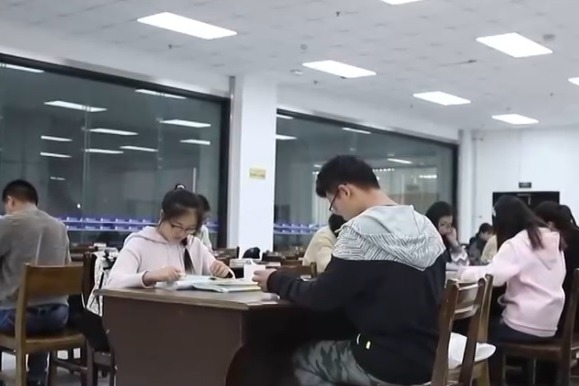
China’s Ministry of Education has unveiled a comprehensive strategy to reshape the nation’s higher education enrollment system, prioritizing disciplines critical to technological advancement and national security while strengthening exam integrity measures. The 2026 gaokao reforms will channel resources toward undergraduate programs in foundational sciences, cutting-edge interdisciplinary fields, and high-demand specialties directly aligned with China’s innovation and industrial modernization goals.
The policy directive requires universities to develop enrollment plans through multidimensional assessment of economic needs, industry requirements, institutional capacity, and graduate employment outcomes. This systematic approach aims to bridge the gap between academic preparation and labor market demands while supporting national objectives in technological self-reliance.
Concurrently, education authorities will implement enhanced security protocols for China’s high-stakes college entrance examination. Provincial departments must safeguard all exam phases—from question development to grading—through advanced surveillance technology and inspection equipment designed to prevent sophisticated cheating methods. The ministry also pledged to intensify crackdowns on exam-related fraud and tighten supervision of preparatory institutions.
The reforms maintain commitment to regional educational equity through specialized enrollment initiatives for rural and underdeveloped areas. Authorities will simultaneously combat ‘gaokao migration’ practices where students attempt to gain unfair advantages by falsifying registration locations to test in less competitive regions.