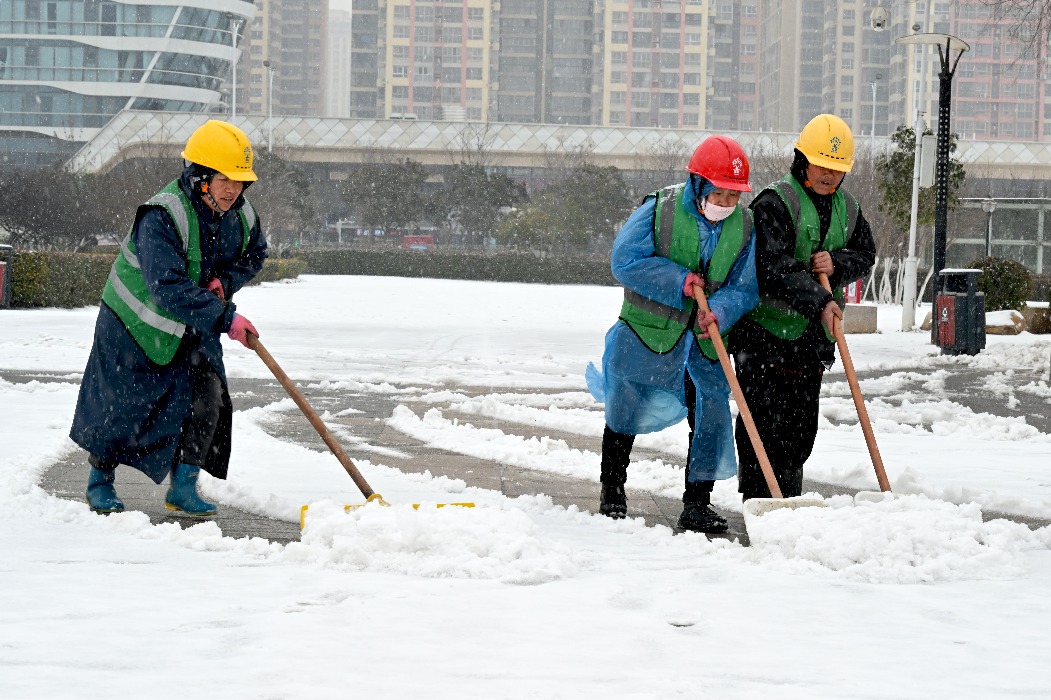
Chinese authorities have initiated a nationwide emergency protocol as a severe cold front originating from Siberia engulfs vast regions, bringing unprecedented subzero temperatures, heavy snowfall, and disruptive freezing rain. The meteorological phenomenon has triggered coordinated responses across multiple provinces to safeguard civilian welfare, critical infrastructure, and energy security.
In Inner Mongolia Autonomous Region, temperatures plummeted to extreme lows of -44.5°C (-48.1°F), prompting municipal governments to activate 24-hour public warming stations for outdoor workers and emergency heating hotlines. The city of Ordos implemented coal supply assurance measures for both residential and centralized heating systems amid the prolonged freeze.
The agricultural sector faces significant challenges, particularly in facility farming hubs like Chifeng. Specialized technical teams have been deployed to reinforce greenhouse structures, repair damaged coverings, and implement auxiliary heating solutions to protect winter vegetable supplies from the crippling cold.
Transportation networks have been severely compromised, with Inner Mongolia’s transportation departments identifying over 700 vulnerable road segments. More than 200 maintenance crews have been mobilized to clear accumulated snow across approximately 28,000 kilometers of highways. In Hunan Province, freezing rain and sleet have disrupted rail operations, forcing China Railway Guangzhou Group to suspend or reroute numerous passenger services through Wednesday.
The energy sector is experiencing unprecedented strain as electricity demand surges. Shandong Province recorded a historic winter load peak of 116 million kilowatts, prompting State Grid Shandong to implement enhanced monitoring of critical power lines and position emergency repair teams on high alert. Maintenance workers like Yang Xu from Linyi City continue hazardous inspections despite blizzard conditions, emphasizing that “equipment reliability becomes exponentially more critical during extreme weather events.”
At China’s largest natural gas storage facility in Hutubi, Xinjiang, personnel conducted essential inspections in -30°C conditions to ensure uninterrupted gas supply for both residential needs and the West-East Gas Transmission Project. Inspector Zhou Weidong emphasized their role in seasonal peak shaving and emergency supply maintenance.
The National Meteorological Center maintains active alerts for strong gales and hazardous road icing conditions, with Chief Forecaster Ma Xuekuan confirming the Siberian-originating air mass as the primary driver of this exceptional weather event. The comprehensive response demonstrates China’s multilayered approach to mitigating the impacts of extreme winter weather on population centers and critical infrastructure.