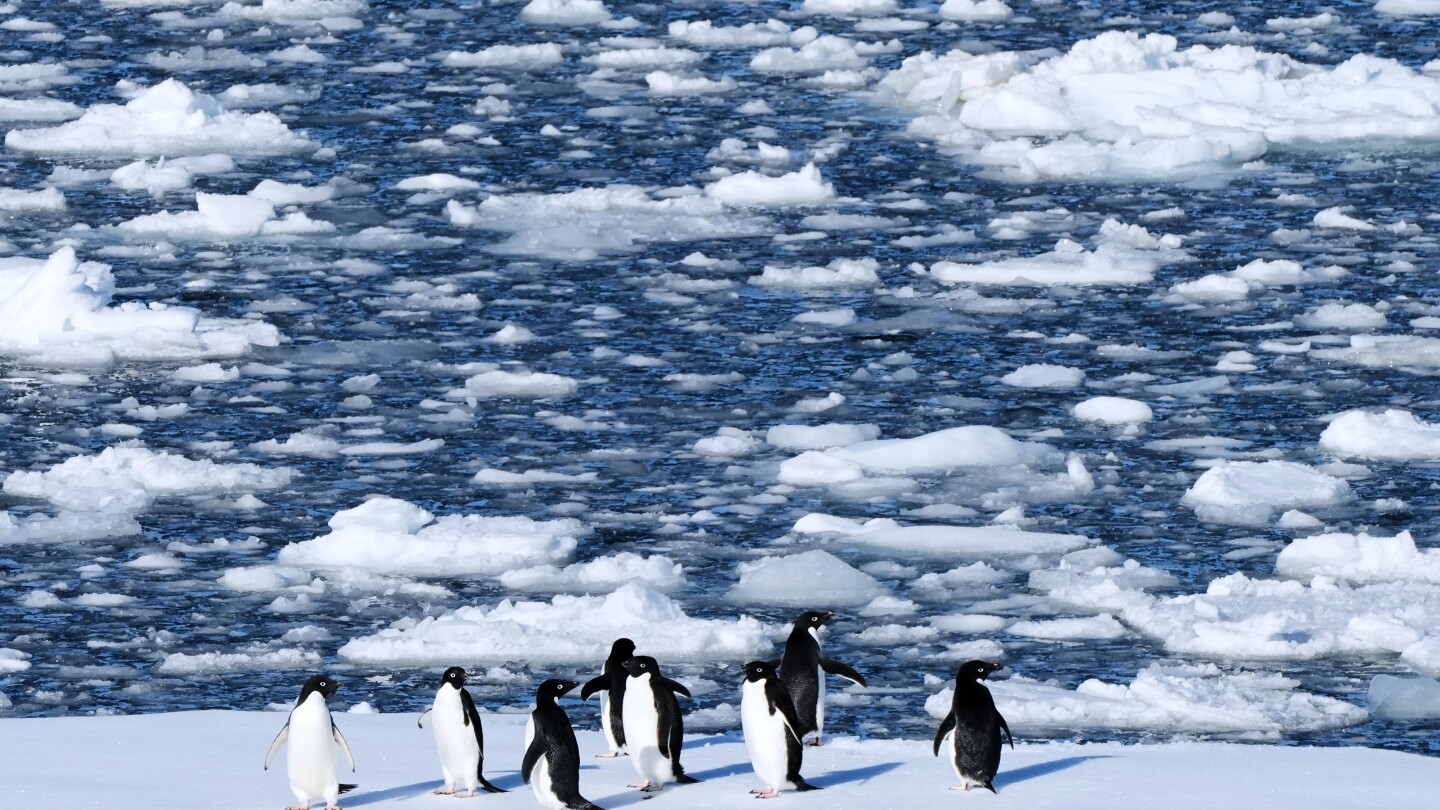
A groundbreaking ecological study reveals that Antarctic penguins are undergoing the most rapid breeding shift ever documented in vertebrate species, with profound implications for their survival in a warming world. Published in the Journal of Animal Ecology, the research demonstrates that three brush-tailed penguin species have advanced their reproductive cycles by approximately two weeks within a single decade—a pace of adaptation that far exceeds previously observed changes in other bird species.
The research team from Oxford University, utilizing remote-controlled cameras across multiple colonies from 2011 to 2021, documented how rising temperatures in the western Antarctic—the second fastest-warming region on Earth—are fundamentally altering penguin reproductive behavior. With breeding grounds experiencing a 5.4°F (3°C) temperature increase between 2012 and 2022, the Adelie, chinstrap, and gentoo penguins are now breeding significantly earlier than previous decades.
Lead biologist Ignacio Juarez Martinez emphasized the unprecedented nature of this shift: ‘Penguins are modifying their breeding timing at record velocity, surpassing any other vertebrate species. This synchronization with environmental resources is critical for chick survival, as breeding must coincide with peak food availability.’
The study reveals a troubling divergence in species adaptation. While gentoo penguins, with their more varied diet and aggressive foraging behavior, have accelerated their breeding cycle most dramatically, the specialist krill-feeders—Adelie and chinstrap penguins—face severe challenges. The overlapping breeding seasons now create intense competition for resources, with gentoos frequently displacing other species from traditional nesting areas.
Co-author Fiona Suttle reported observable ecosystem changes: ‘I’ve returned to previous Adelie colonies only to find them entirely replaced by gentoos. The data confirms what we’re witnessing visually in these rapidly transforming environments.’
Climate-induced changes have reduced sea ice, triggering earlier phytoplankton blooms that disrupt the entire Antarctic food web. This ecological transformation, combined with increased commercial fishing activity in the region, creates compounded pressure on krill populations—the primary food source for vulnerable penguin species.
Martinez projected dire consequences: ‘Chinstrap populations are declining globally, with models suggesting potential extinction before century’s end. Adelies are faring poorly in the Antarctic Peninsula and face similar extinction risks in this region.’
The research benefited from unprecedented public engagement through the Penguin Watch citizen science platform, where over 9 million images were annotated by volunteers captivated by these charismatic species. This massive dataset provided crucial evidence of behavioral changes occurring at an alarming rate across the Antarctic ecosystem.