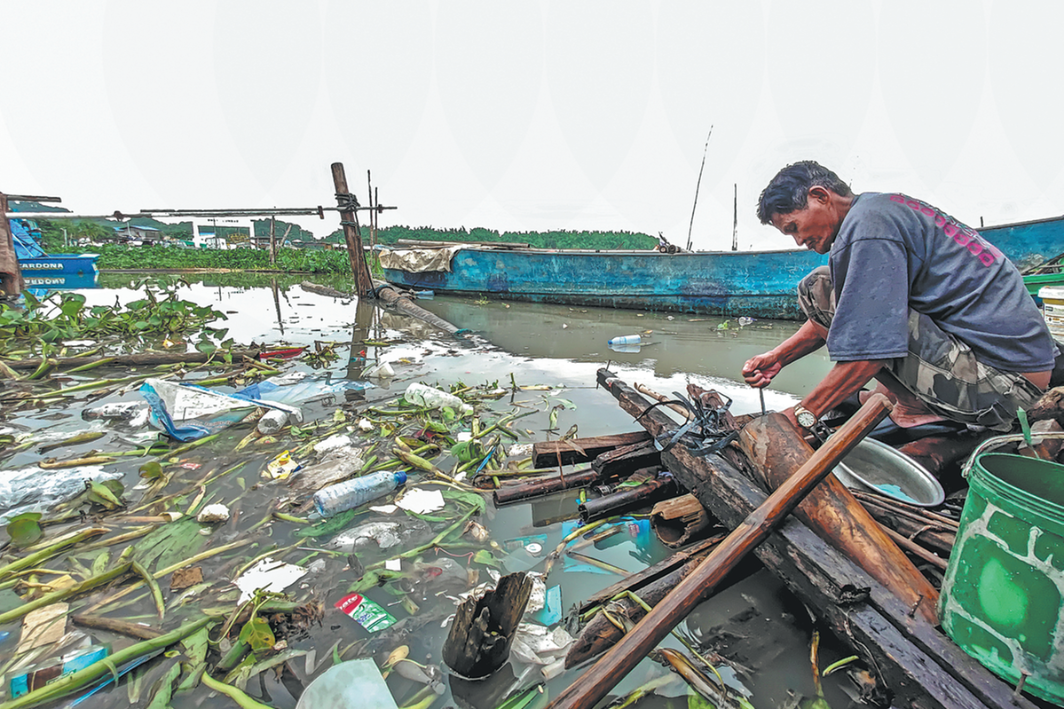
A groundbreaking analysis jointly released by UNICEF Philippines and the Department of Environment and Natural Resources reveals an impending water crisis of catastrophic proportions. The comprehensive study, titled \”Climate Landscape Analysis for Children in the Philippines,\\” projects that climate change impacts could exhaust 40 to 80 percent of the nation’s water resources within the next sixteen years.\n\nThe report identifies the Philippines’ position as one of the world’s most climate-vulnerable nations as a critical factor driving this emergency. Increasingly frequent and intense natural disasters—including typhoons, floods, and landslides—are systematically damaging sanitation infrastructure and disrupting water service delivery across the archipelago.\n\nRobert Borje, Vice-Chair and Executive Director of the Climate Change Commission of the Philippines, emphasized the severity of the situation during the report’s launch. \”Water insecurity remains a critical vulnerability,\” Borje stated, noting that currently only 48 percent of the population can access safely managed drinking water. \”As global temperatures rise, this scarcity is expected to intensify,\” he added.\n\nThe analysis particularly highlights the disproportionate impact on children, who face a \”triple burden\” of climate-related health risks including disease proliferation, malnutrition exacerbation, and heat stress. Educational disruptions, contaminated water supplies, and increased risks of exploitation and displacement further compound the vulnerability of younger generations.\n\nAlarmingly, the report documents significant infrastructure deficits in educational facilities, with 19 percent of students relying on unimproved water sources or having no water access whatsoever. This situation creates a dangerous feedback loop where climate impacts undermine both immediate health outcomes and long-term developmental prospects.\n\nThe study serves as both a warning and call to action, urging immediate implementation of climate adaptation strategies and water resource management policies to prevent the projected catastrophic water depletion.