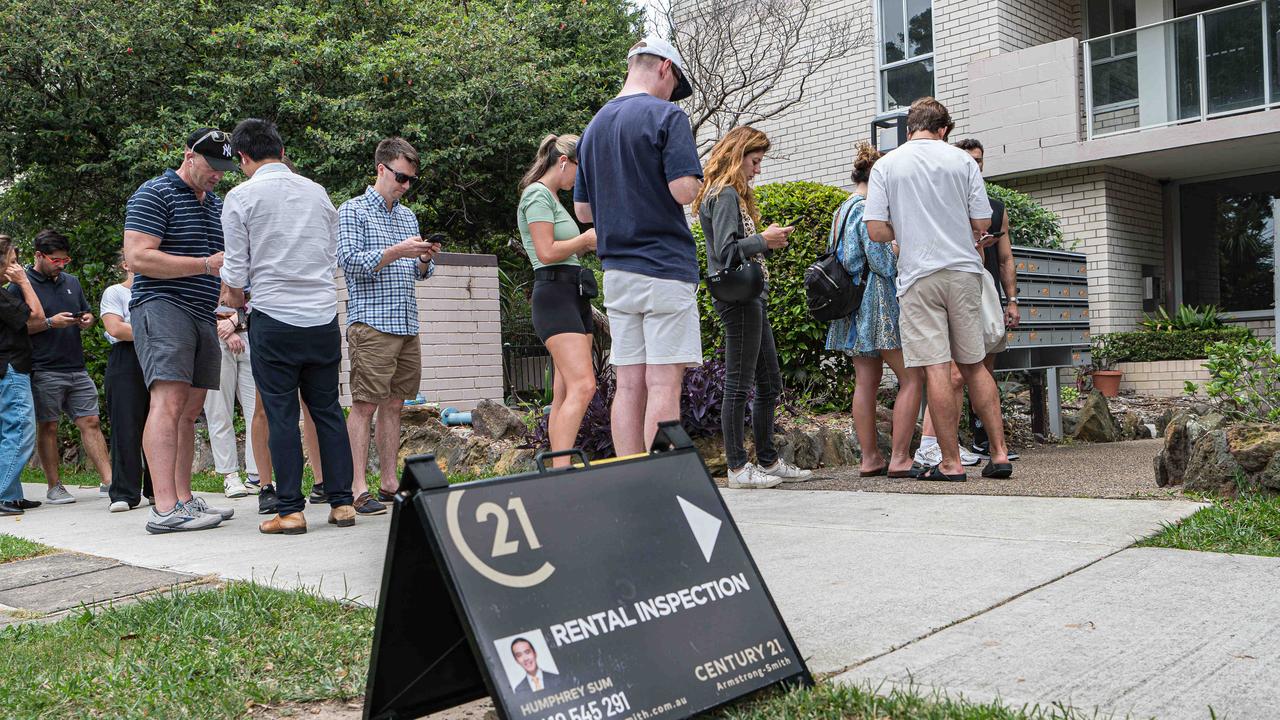
Australia’s housing sector is confronting a severe rental affordability crisis, with median weekly rents reaching an unprecedented high of $650 nationally. This represents a 1.6% increase in the final quarter of 2025, compelling the average renter to allocate an additional $1,560 annually—a financial burden that shows no signs of abating.
According to REA Group senior economist Anne Flaherty, the fundamental driver behind this trend is a critical supply-demand imbalance exacerbated by robust population growth, predominantly fueled by overseas migration. “New arrivals to Australia typically enter the rental market first, intensifying demand without corresponding increases in housing supply,” Flaherty explained.
The situation varies significantly across capital cities. Sydney maintains its position as the most expensive rental market, with combined houses and units averaging $760 per week. Hobart experienced the most dramatic surge, with rents climbing 4.2% in the quarter and 9.1% annually to reach $573 weekly. Perth and Darwin followed with annual increases of 7.7% and 8.3% respectively, though both markets showed signs of cooling in the final quarter.
Canberra emerged as a rare exception, with modest 1.6% annual growth—the slowest among capitals—due to better alignment between housing supply and population demands. Melbourne presented a mixed picture: while house rents declined by 0.9% annually, unit prices rose 4.5%, maintaining a combined median of $575 weekly.
Flaherty warned that current affordability pressures will likely persist for years, with rental increases continuing to outpace wage growth. “Housing is a fundamental need, so renters are forced to make difficult compromises—extending family cohabitation, accepting longer commutes, or increasing shared living arrangements,” she noted.
The political dimension of the crisis has drawn sharp criticism from Greens senator Barbara Pocock, who characterized the situation as “a system stacked against younger generations” and called for government intervention to prioritize housing as a human right rather than investment vehicle.
With population growth forecasts indicating continued pressure, particularly in Melbourne and Perth, experts agree that without substantial increases in housing construction and policy reforms, Australia’s rental affordability challenge will remain a defining social issue for the foreseeable future.