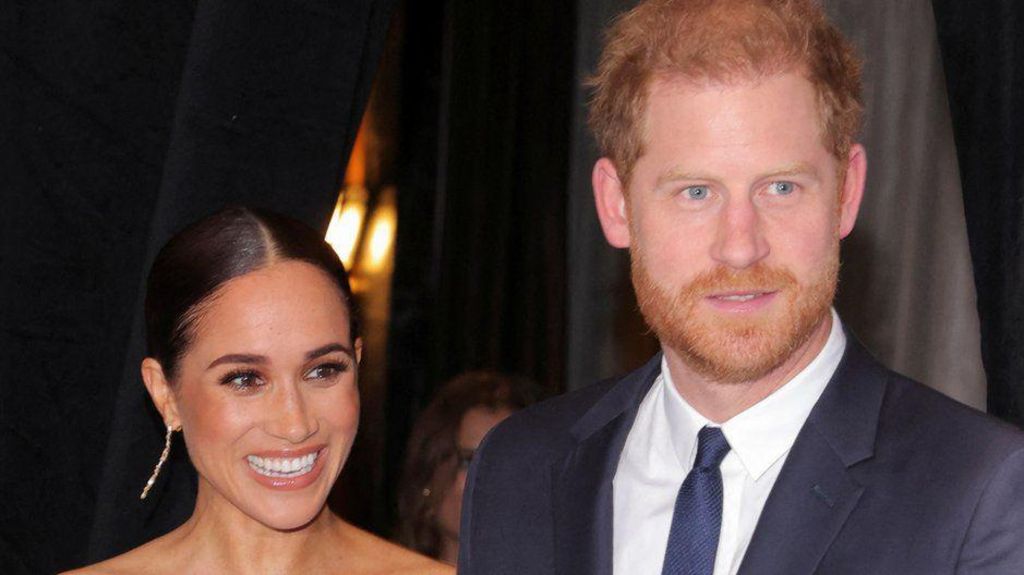
The Duke of Sussex appeared in London’s High Court on Monday, January 19th, as a key witness in a major legal battle against Associated Newspapers Ltd, publisher of the Daily Mail. The case represents the latest chapter in Harry’s ongoing confrontation with British media over alleged unlawful information gathering practices.
The legal action, which includes prominent figures such as Sir Elton John, Liz Hurley, and Baroness Doreen Lawrence as co-plaintiffs, accuses the media group of obtaining private information through illicit means. Associated Newspapers has vigorously denied what it characterizes as “preposterous allegations.”
This court appearance marks another significant moment in the Duke’s transformation from senior royal to independent public figure. Since relocating to California with Meghan, Duchess of Sussex, in June 2020, the couple has established a new life through various commercial ventures and philanthropic initiatives. Their Archewell Foundation has evolved into Archewell Philanthropies, while they maintain lucrative production deals with Netflix and podcast platforms.
The couple’s departure from royal duties in January 2020 was precipitated by frustrations with media intrusion and restrictions on developing their “SussexRoyal” brand. Though they retained their Duke and Duchess titles, they no longer use the HRH style and were required to vacate their UK residence, Frogmore Cottage, which had been a gift from the late Queen Elizabeth.
Harry’s relationship with the institution he left remains complex. His recent visits to Britain have included brief meetings with his father, King Charles, including a 45-minute meeting following the monarch’s cancer diagnosis announcement in February 2024. However, the Duke confirmed he does not expect to meet with the King during this current visit for legal proceedings.
Security concerns continue to shadow Harry’s UK visits. In May 2025, he lost a legal bid to reinstate full police protection while in Britain, prompting him to state that he cannot safely bring his family to the country. Despite this, he has expressed desire for reconciliation with the Royal Family, identifying security arrangements as the primary obstacle.
The outcome of this case could have significant implications for media practices and privacy rights in the United Kingdom, potentially setting new precedents for how public figures interact with the press.