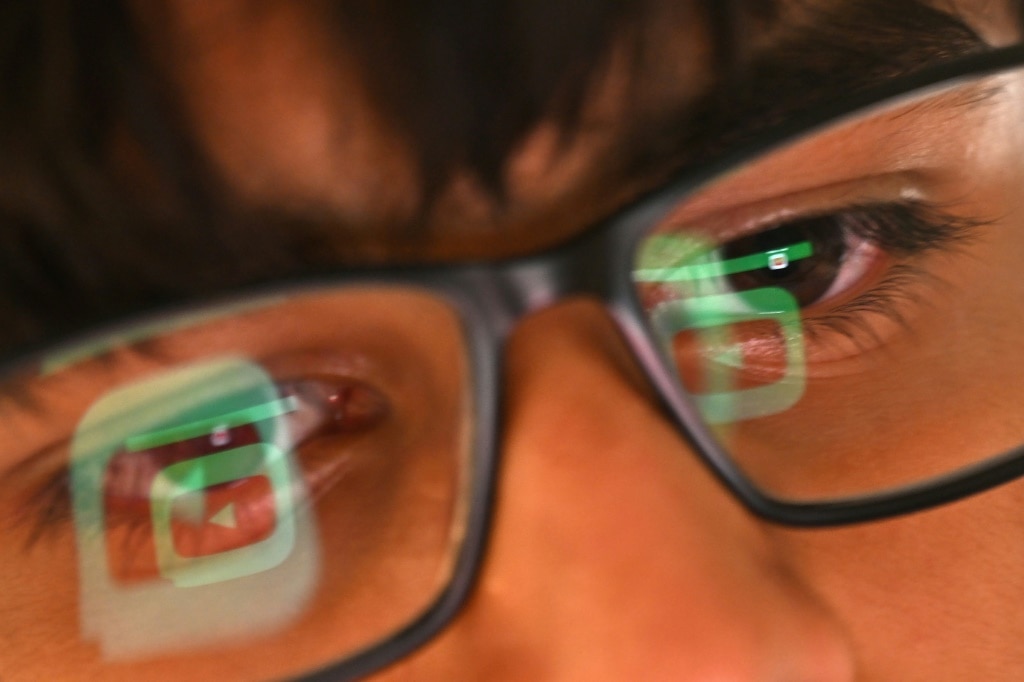
A growing international movement to restrict youth access to social media platforms is gaining momentum across Western nations, with France and the United Kingdom actively considering measures inspired by Australia’s groundbreaking legislation. The Australian model, which prohibits individuals under 16 from accessing major platforms like Instagram, Facebook, TikTok, and YouTube, has ignited a complex global debate about digital protection versus personal freedom.
This policy shift stems from escalating concerns regarding adolescent mental health deterioration. Prominent advocates, including American psychologist Jonathan Haidt, author of the influential book ‘The Anxious Generation,’ argue that excessive social media exposure is fundamentally rewiring developing brains and creating a mental health crisis. Haidt’s work, which has attracted significant political attention, posits that screen-based interactions are displacing crucial real-world experiences necessary for healthy development.
However, the scientific community remains deeply divided on implementing blanket bans. Canadian psychologist Candice Odgers and other academics challenge the alarmist narrative, contending that Haidt’s conclusions lack robust scientific validation. This academic disagreement centers on the difficulty of isolating social media’s specific impact amid numerous factors influencing teen wellbeing.
Research from the University of Queensland’s Michael Noetel suggests that while evidence of harm exists, the effects might be more nuanced than extreme positions indicate. Noetel describes supporting restrictive measures as ‘a bet worth making’ given potential benefits. Conversely, University of Adelaide researcher Ben Singh’s longitudinal study of over 100,000 Australian youth revealed a U-shaped relationship: both heavy usage (over two hours daily) and complete non-use correlated with poorer outcomes, while moderate engagement showed the best results. The study notably found gender differences, with excessive use most harmful for girls and complete deprivation most detrimental for older teenage boys.
French psychiatrist Serge Tisseron acknowledges social media’s ‘appallingly toxic’ aspects but cautions that outright bans might be technologically circumvented by digitally-native youth while inadvertently relieving parents of supervisory responsibilities. He advocates for more sophisticated, nuanced regulatory approaches rather than polarized all-or-nothing solutions.
As France debates legislation for under-15s and UK officials consult experts, many researchers suggest observing Australia’s implementation. Cambridge University’s Amy Orben notes that within a year, substantial data will emerge regarding the ban’s effectiveness and any unintended consequences, with Australia’s e-safety commissioner already reporting 4.7 million blocked underage accounts.