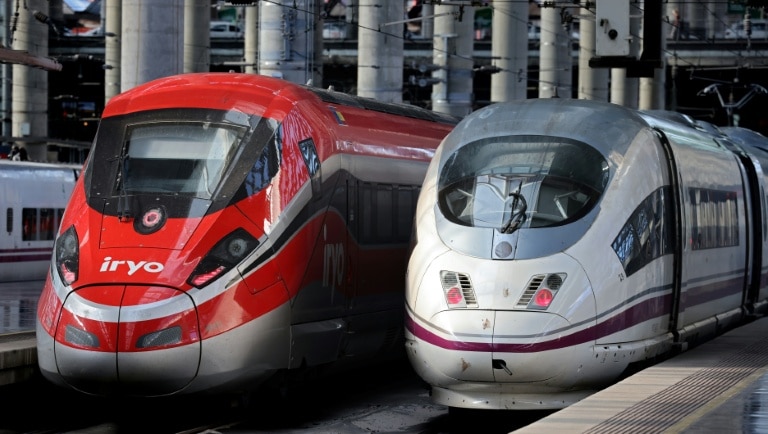
A catastrophic collision between two high-speed trains in southern Spain has resulted in at least 21 fatalities and left over 70 injured, creating what emergency officials describe as an exceptionally complex rescue operation. The tragedy occurred Sunday evening near Adamuz in the Andalusia region when a Malaga-Madrid service operated by private rail company Iryo derailed and crossed onto adjacent tracks, colliding with an oncoming train headed toward Huelva.
Emergency response teams faced tremendous challenges extracting survivors from the wreckage, with Francisco Carmona, head of Córdoba firefighters, describing how twisted metal entrapped passengers, requiring rescuers to remove deceased individuals to reach living victims. Some carriages tumbled down a four-meter embankment, compounding the structural damage.
Survivors recounted terrifying moments of impact and darkness. Montse, a passenger on the second train, described being thrown about as luggage tumbled onto passengers while children cried in the darkness. Another survivor, Lucas Meriako, compared the scene to a horror movie, noting many injuries resulted from shattered glass throughout the carriages.
Transport Minister Óscar Puente expressed perplexity at the accident, noting the derailed train was practically new and the track had been completely renovated on a straight section, making the incident extremely unusual. With approximately 300 passengers aboard the Iryo service, emergency medical teams transported 30 critically injured individuals to hospitals.
Spain’s Prime Minister Pedro Sánchez declared a night of profound pain for the nation, while King Felipe VI and Queen Letizia offered heartfelt condolences to victims’ families. International leaders including French President Emmanuel Macron and European Commission President Ursula von der Leyen expressed solidarity with Spain.
Adif, Spain’s rail infrastructure manager, suspended all high-speed services between Madrid and Andalusian cities including Córdoba, Seville, Málaga, and Huelva throughout Monday while establishing support centers at major stations to assist victims’ relatives. The Defense Ministry deployed approximately 40 emergency military personnel with 15 vehicles to assist recovery efforts.
This incident represents Spain’s most significant rail tragedy since the 2013 Santiago de Compostela derailment that killed 80 people, occurring on what is Europe’s most extensive high-speed rail network spanning over 3,000 kilometers.