JAKARTA, Indonesia — Search and rescue teams in Indonesia have successfully located and recovered wreckage from a missing ATR 42-500 turboprop aircraft that disappeared during adverse weather conditions while approaching mountainous terrain on Sulawesi Island. The discovery comes after the plane vanished from radar on Saturday with eleven individuals aboard.
The aircraft, operated by Indonesia Air Transport, was conducting an airborne maritime surveillance mission from Yogyakarta on Java Island to Makassar, the provincial capital of South Sulawesi. According to aviation authorities, the plane lost contact with air traffic control shortly after being instructed to correct its approach alignment during cloudy conditions.
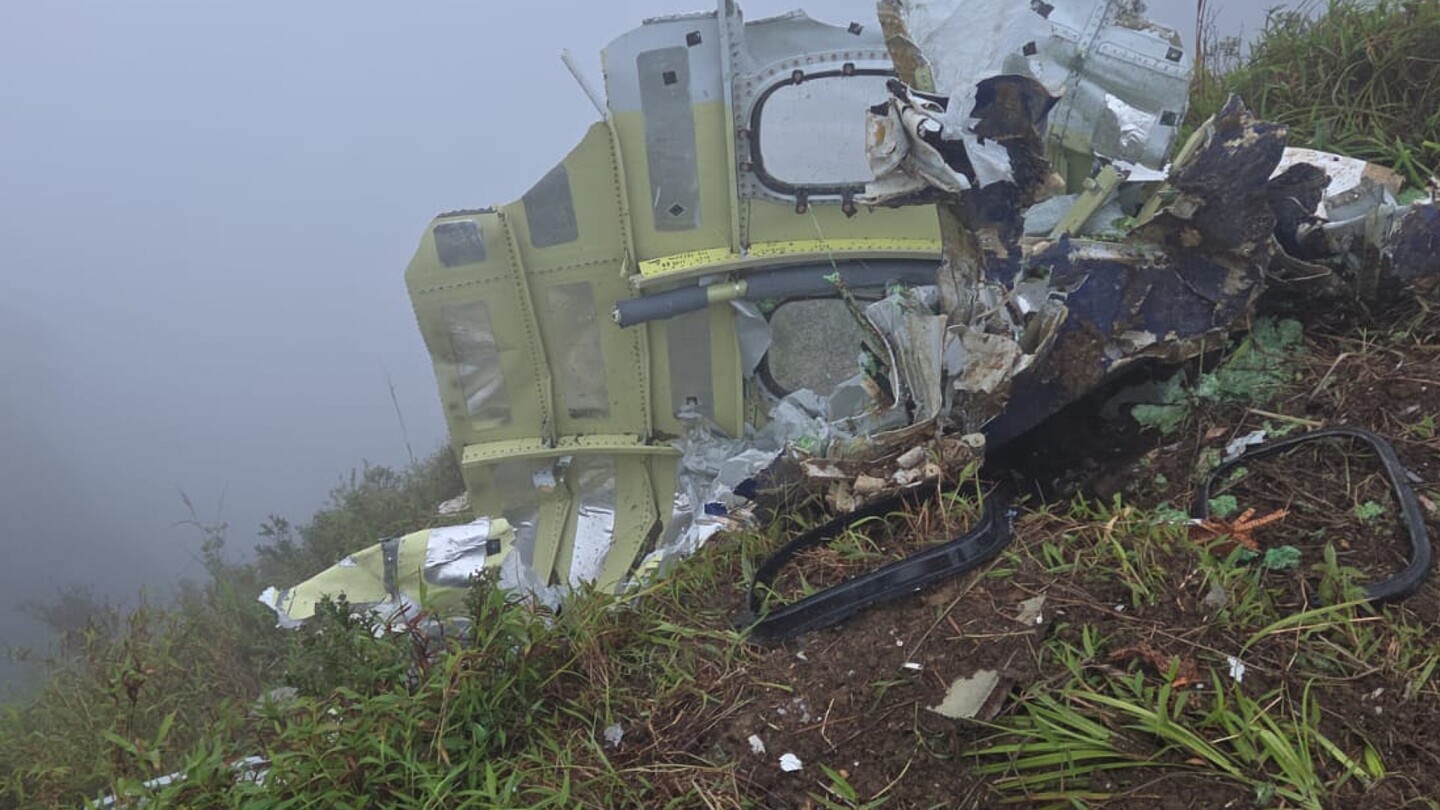
Muhammad Arif Anwar, Director of Makassar’s Search and Rescue Office, confirmed that air force personnel spotted aircraft debris Sunday morning on the forested slopes of Mount Bulusaraung in Maros district. Ground teams subsequently accessed the challenging terrain and identified larger sections consistent with the main fuselage and tail assembly scattered across steep northern slopes.
The ill-fated flight carried eight crew members and three officials from Indonesia’s Marine Affairs and Fisheries Ministry. Military commander Major General Bangun Nawoko reported that rescue operations continue despite formidable challenges including strong winds, heavy fog, and extremely rugged topography that have hampered access to the crash site.
Visual documentation released by Indonesia’s National Search and Rescue Agency shows rescue personnel navigating steep, fog-shrouded ridge lines to reach the scattered wreckage. The discovery marks a critical breakthrough in the search operation, allowing teams to concentrate efforts on locating potential survivors and recovering victims.
This incident highlights Indonesia’s ongoing transportation safety challenges, where geographical constraints necessitate extensive air and sea connectivity across the archipelago’s 17,000 islands while confronting persistent safety concerns across various transport sectors.