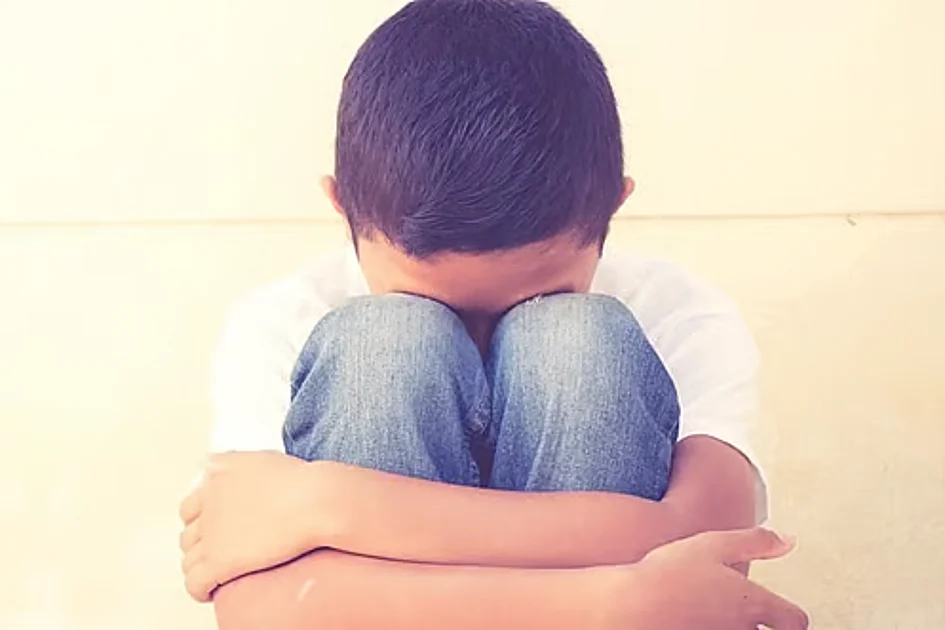
In the wake of recent tragedies across the United Arab Emirates, mental health professionals are shedding light on the complex ways children process grief and loss, emphasizing that young minds require specialized support mechanisms distinct from adult coping strategies.
The emotional landscape of childhood grief has come into sharp focus following a devastating road accident that claimed the lives of four siblings, prompting educators and psychologists to reexamine support systems for bereaved children. Unlike adults who typically express grief overtly, children often internalize their pain, manifesting through behavioral changes that may persist for years without proper intervention.
Clinical psychologist Dr. Reena Thomas of Medeor Hospital, Dubai, explains: “Children’s responses to mortality vary significantly based on developmental stage, temperament, and comprehension capacity. While some exhibit immediate emotional outbursts, others retreat into silence that parents frequently misinterpret as resilience. This silence often represents profound internal struggle rather than healthy adaptation.”
Two contrasting cases illustrate this psychological complexity. Fatima S. (pseudonym) discovered her daughter had silently mourned a close friend’s death for over two years, exhibiting diminished school engagement and persistent questioning. Conversely, an Abu Hail family witnessed their son develop pervasive anxiety about mortality after losing both an elderly grandfather and young cousin within months, demonstrating how consecutive losses can fundamentally alter a child’s perception of safety.
Educational institutions are increasingly implementing proactive measures. Numerous UAE schools have established dedicated spaces for emotional expression, with teachers facilitating peer support networks recognizing that classroom grief requires as much attention as home-based mourning. These initiatives have gained urgency following recent tragedies, including the quadruple sibling fatality and a sudden death at a Sharjah educational institution.
Dr. Thomas recommends parents monitor behavioral indicators including sleep pattern alterations, appetite changes, academic performance declines, and newfound anxieties about loved ones’ mortality. She emphasizes: “Children frequently grieve in non-linear stages across extended periods. Parental presence and stability provide more therapeutic value than perfectly crafted explanations. Maintaining routines while permitting emotional expression in whatever form it takes proves most beneficial.”
The psychological community stresses that societal support systems must evolve to address childhood grief’s unique characteristics, particularly as communities process collective tragedies. With proper understanding and intervention, professionals believe children can develop healthy coping mechanisms that serve them throughout life.