Nestled in the Moldovan countryside, the village of Rogojeni has earned the nickname “hobbit village” for its unique subterranean dwellings that resemble structures from J.R.R. Tolkien’s Middle-earth. These traditional ‘basca’ houses, built partially underground to naturally regulate temperatures against Moldova’s extreme seasonal shifts, have become an unexpected beacon of hope for a community facing depopulation.
With only 30 residents remaining in a village that once housed 200, Mayor Ruslan Groza acknowledges the existential threat facing Rogojeni. “We genuinely fear the potential disappearance of our village given the drastic population decline,” stated Groza, who has made tourism development central to his preservation strategy. Since restoring one dwelling as a museum in 2020, tourist interest has steadily grown, putting Rogojeni on the international travel map.
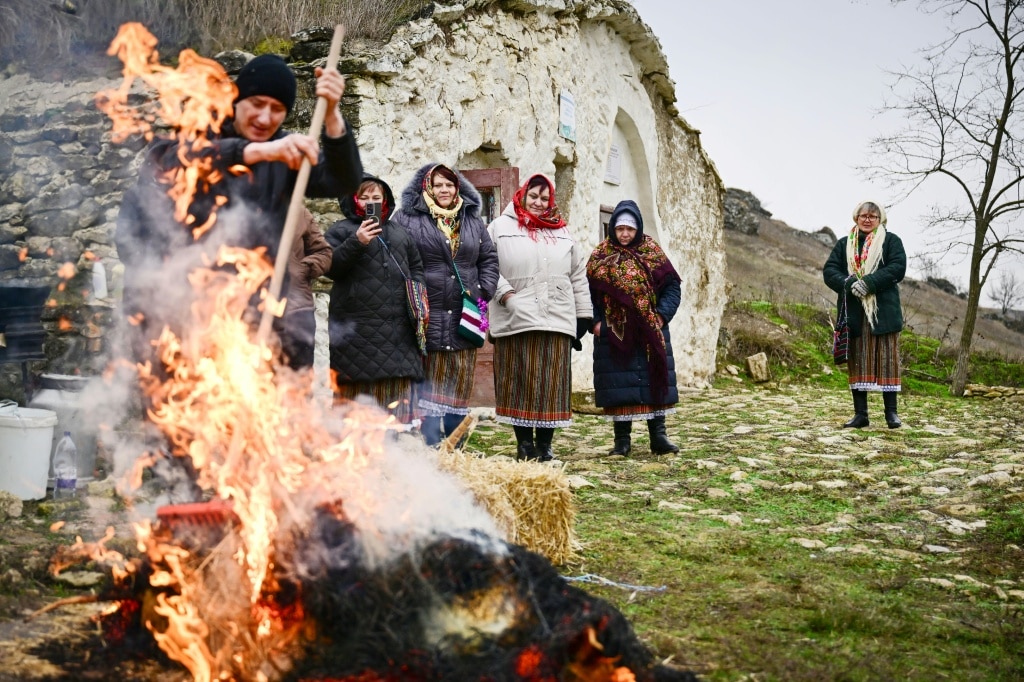
The cultural appeal extends beyond architecture to living traditions. Visitors like Sangkyoung Lee, a 22-year-old South Korean student, experience immersive cultural exchanges, including participation in traditional pig roasts ahead of Orthodox Christmas celebrations. Inside the museum-house, guests savor authentic Moldovan cuisine—pig stew, polenta with sheep cheese, pickles, and local wine—served in rooms adorned with vibrantly colored, hand-sewn carpets.
This cultural revival occurs against a stark demographic backdrop. Moldovan villages have lost nearly half a million inhabitants since 2014, with approximately one million citizens now living abroad, primarily in EU countries. Many settlements have become ghost towns, with Rogojeni’s abandoned school and church standing as crumbling monuments to this exodus.
Yet hope persists through cultural champions like Mariana Groza, the mayor’s wife. A literature teacher who has embraced traditional crafts, she operates a workshop creating embroidery and folk costumes, sharing these traditions globally via TikTok. “Not a single day passes without me sewing cross-stitch or crocheting,” she explained. “Promoting our traditions is essential to our identity.”
During recent pre-Christmas celebrations, village women—including octogenarians—performed traditional carols accompanied by accordion music. The ceremony concluded with the throwing of wheat grains to wish prosperity upon attendees, blending performance with participatory ritual. For elderly residents like Maria Ardeleanu, these interactions with tourists bring joyful connection amid loneliness, while simultaneously preserving unique knowledge about living in these distinctive earth-sheltered homes.