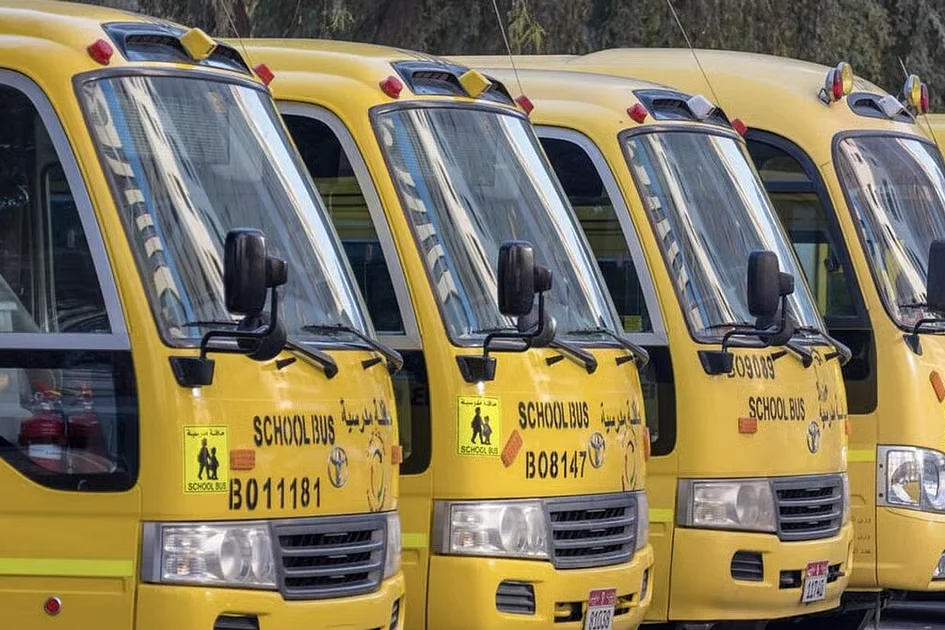
Dubai’s transportation landscape is set for a transformative shift as the Roads and Transport Authority (RTA) initiates a groundbreaking school bus pooling program in collaboration with Yango Group and Urban Express Transport. This innovative approach to student mobility aims to address the chronic traffic congestion that plagues school zones during peak hours while simultaneously reducing transportation costs for families.
The pilot program, scheduled for implementation in 2026, will deploy shared buses serving multiple schools within designated geographic zones. This strategic consolidation of routes represents a significant departure from traditional single-school transportation models. Advanced technology will facilitate comprehensive trip management, real-time vehicle tracking, and operational monitoring, with the RTA emphasizing strict adherence to all safety, security, and regulatory standards governing student transport in the emirate.
Transportation experts have welcomed the initiative, highlighting its potential to substantially reduce morning and afternoon traffic pressures. Thomas Edelmann, Founder and Managing Director of RoadSafetyUAE, provided compelling data: “In Dubai, the average trip takes approximately 60% longer around 8 AM when schools open compared to clear road conditions. Between 3 PM and 4 PM during school dismissals, this value escalates to about 80%.” He emphasized that each shared bus could eliminate up to 50 private vehicles from roadways during these critical congestion periods.
The economic implications are equally significant. Many parents currently face substantial financial burdens from traditional school bus services, with some reporting annual costs reaching AED 10,000 per child. The pooling model promises to optimize route efficiency and vehicle utilization, potentially making school transportation more affordable while addressing environmental sustainability concerns.
Educational leaders have expressed cautious optimism about the initiative. Deepika Thapar Singh, CEO-Principal of Credence High School, noted: “Families are likely to be receptive to a shared transport model, particularly for senior students, provided there are strong assurances around safety, punctuality and supervision.” She acknowledged that parents of younger children might exhibit more caution regarding multi-school travel arrangements.
While the program offers promising solutions to traffic congestion and transportation costs, its ultimate success will depend on practical implementation factors including safety protocols, scheduling efficiency, and parental acceptance. If successful, this pilot could establish a new paradigm for student mobility not only in Dubai but potentially across other urban centers facing similar transportation challenges.