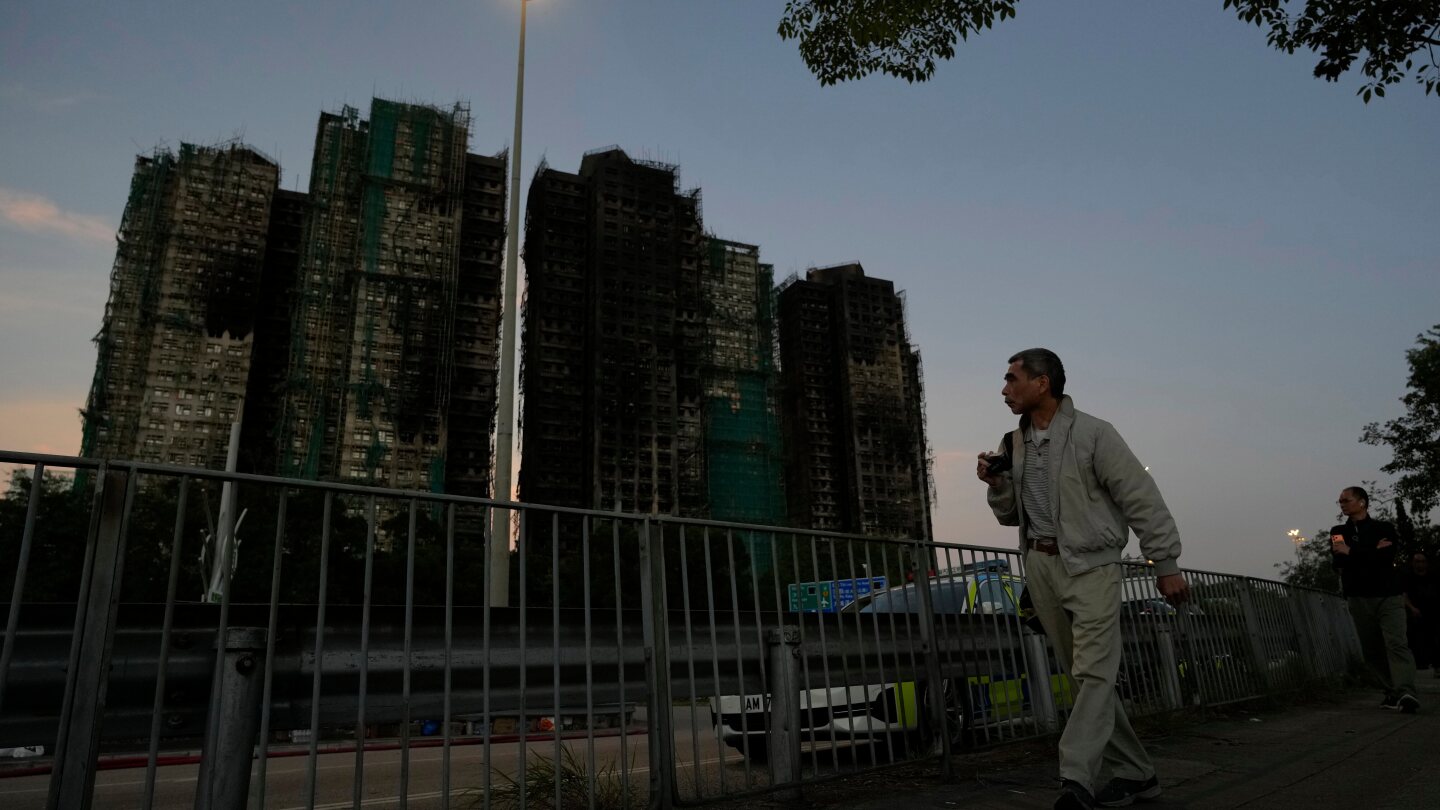
Hong Kong authorities have unveiled comprehensive regulatory reforms targeting building maintenance and fire safety protocols in response to November’s catastrophic high-rise fire that claimed 161 lives and displaced thousands of residents. The blaze, which rapidly engulfed seven interconnected towers in the Wang Fuk Court apartment complex, has triggered intense scrutiny over alleged corruption, negligence, and systemic oversight failures within the city’s building management sector.
Chief Executive John Lee addressed the newly convened legislature, acknowledging the tragedy exposed critical vulnerabilities requiring immediate intervention. Lee pledged a thorough investigation through both law enforcement channels and an independent judge-led commission, vowing to hold accountable “anyone who should bear responsibility, regardless of whether they are from within or outside the government, or whether they are junior or senior staff.”
The proposed reforms center on combating bid-rigging practices by empowering the Urban Renewal Authority to oversee contractor selection processes. This includes establishing pre-vetted lists of consultants and contractors based on rigorous background checks and historical performance evaluations. Additionally, the government mandates third-party professional supervision for major renovation projects, requires fire department approval before deactivating critical fire safety systems, and implements complete smoking bans on construction sites.
Investigators identified substandard construction netting and flammable foam boards installed during renovations as primary contributors to the fire’s rapid spread. The failure of multiple fire alarm systems during safety tests further compounded the tragedy. Urban planning experts warn this disaster may represent merely the “tip of the iceberg” in a city dominated by high-density architecture, with concerns mounting about potentially widespread use of hazardous materials and corrupt bidding practices across other housing developments.
Legislative proposals regarding the smoking ban are expected within weeks, while other measures remain under discussion with the Urban Renewal Authority. These developments occur against the backdrop of heightened political sensitivity, testing Beijing’s “patriots-only” governance model for the special administrative region.