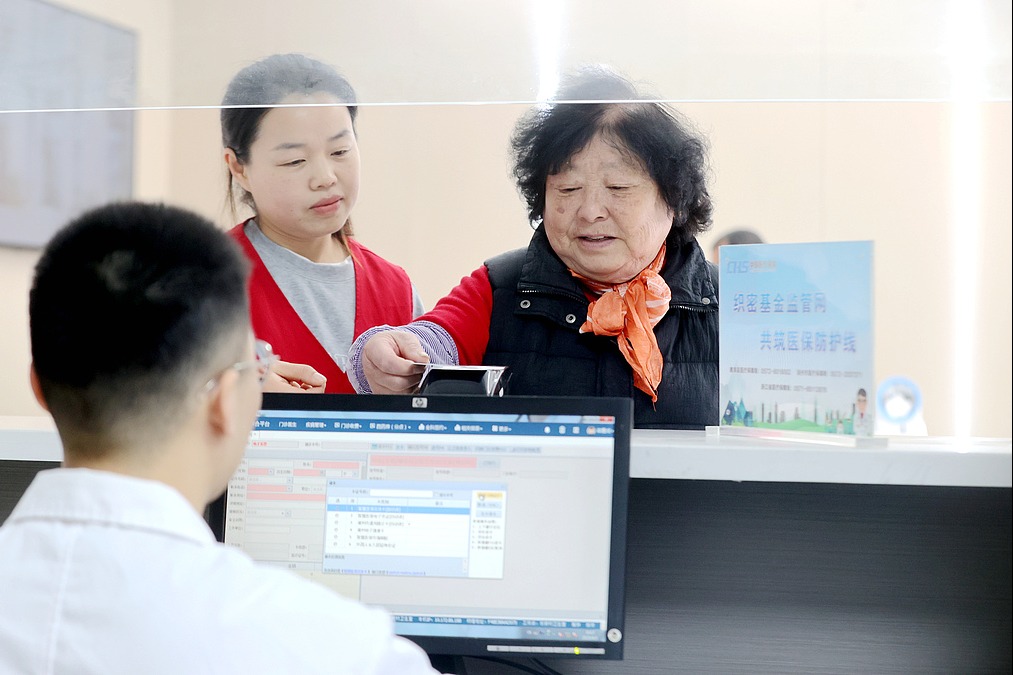
China has undergone a revolutionary transformation of its social welfare system over the past seventy years, evolving from employer-tied benefits to a comprehensive market-oriented framework that now encompasses nearly the entire population of 1.4 billion people. This monumental shift represents one of the most significant social policy achievements in modern history, creating a sophisticated risk management mechanism that leverages collective resources to protect individual citizens.
The architecture of China’s current social protection system rests on two fundamental pillars: the mandatory ‘five insurances’ covering pension, healthcare, unemployment, work injury, and maternity protection, complemented by the housing provident fund. These contributory programs operate alongside social assistance initiatives including dibao (minimum living allowance) and specialized medical aid programs designed to support vulnerable populations such as low-income families and individuals with disabilities.
Historical context reveals that China’s welfare system originated in the immediate post-1949 era when state-owned enterprises directly provided employees with comprehensive benefits. The market reforms of the 1980s initiated a gradual decoupling of welfare from specific employers, with experimental social pooling mechanisms for pensions and healthcare. The 1994 Labor Law established crucial legal foundations for the modern social insurance framework.
Critical expansion milestones occurred in the 21st century. The 2003 introduction of the new cooperative medical scheme extended healthcare coverage to rural residents, while the 2009 implementation of the new rural pension scheme brought retirement security to the countryside. These programs were subsequently integrated with urban counterparts, establishing welfare access as a fundamental citizenship right.
Professor Yang Yifan, a social security specialist at Southwest Jiaotong University, characterizes the system as a ‘high-resilience floor’ that utilizes state-coordinated collective action to distribute and mitigate fundamental life risks that exceed individual capacity. He highlights the basic medical insurance system, covering approximately 95% of the population and substantially funded by fiscal subsidies, as a critical ‘firewall’ against medical impoverishment—a primary cause of family financial collapse.
The system’s implementation philosophy emphasizes protecting basic livelihood above procedural rigidity. Some localities have adopted ‘protective execution’ approaches when recovering improperly distributed benefits, particularly for severely ill patients without repayment capacity, ensuring survival and medical needs remain uncompromised.
Ongoing reforms focus on enhancing portability of pension and healthcare funds across regions—historically fragmented under local management—and enabling transfers from wealthier to less economically developed areas. This approach embodies a governance philosophy rooted in mutual aid and collective solidarity.
China’s parallel poverty alleviation achievements, which have lifted over 800 million people from extreme poverty since the 1980s, have operated synergistically with the expanding social safety net to protect vulnerable households. The fifth anniversary of China’s declaration of extreme poverty eradication marks a strategic pivot toward comprehensive rural vitalization.
According to Professor Wu Haitao, a poverty studies expert at Zhongnan University of Economics and Law, this success stems from China’s multidimensional understanding of poverty that extends beyond income considerations to include education, healthcare access, and social participation deficits. The implementation strategy integrates tiered social assistance with regional cooperation and industrial development, creating a comprehensive mechanism encompassing poverty prevention monitoring, economic growth, and social security.
The fundamental distinction of China’s approach lies in its people-centered modernization model that prioritizes human dignity within its governance framework.