Australia’s premier literary gathering, Adelaide Writers Week, has been abruptly canceled following the withdrawal of over 180 authors and speakers in protest of the disinvitation of prominent Australian-Palestinian writer Dr. Randa Abdel-Fattah. The festival’s board initially rescinded Abdel-Fattah’s invitation on January 8th, citing unspecified “previous statements” and cultural sensitivities following December’s antisemitic mass shooting at Sydney’s Bondi Beach that killed 15 people.
The board emphasized that their decision was unrelated to any connection between Abdel-Fattah’s work and the tragedy, though they provided no specific examples of problematic statements. The author, known for her fiction and nonfiction works addressing Islamophobia, condemned the move as outright censorship, arguing the board had effectively declared her “mere presence” culturally insensitive.
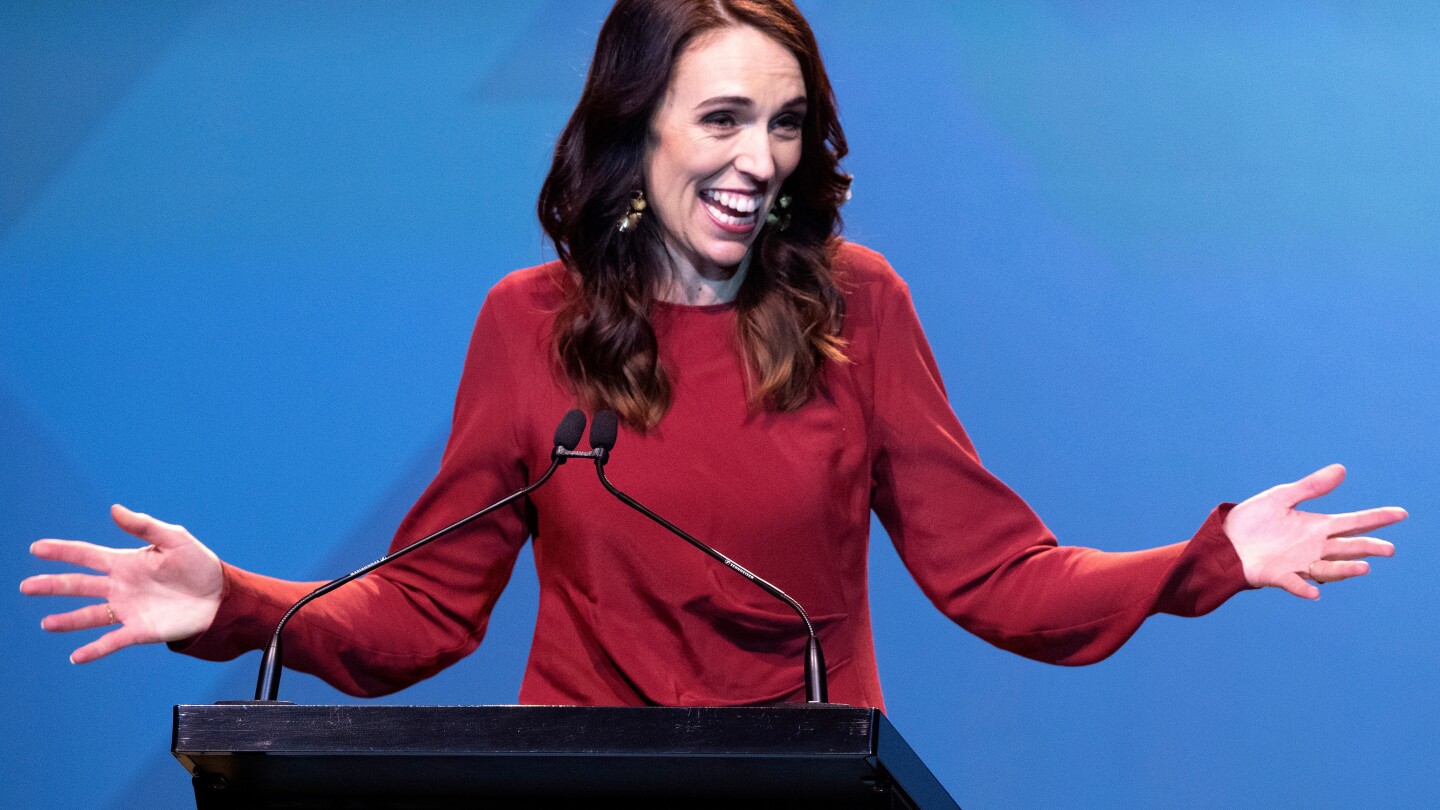
The controversy escalated dramatically as literary luminaries including British novelist Zadie Smith and former New Zealand Prime Minister Jacinda Ardern joined the boycott. Festival Director Louise Adler, identifying as Jewish Australian, resigned in protest, stating she could not “be party to silencing writers.” By Tuesday, approximately 70% of scheduled participants had withdrawn, forcing complete cancellation of the event scheduled for late February.
The festival organization issued an apology on Facebook for “how the decision was represented” but maintained their action reflected “a continuing rapid shift in the national discourse around freedom of expression” post-terror attack. Abdel-Fattah rejected this apology as insufficient, calling her exclusion “a blatant act of anti-Palestinian racism.”
Background lobbying emerged from the Jewish Community Council of South Australia, with state Premier Peter Malinauskus supporting Abdel-Fattah’s removal. The cancellation carries significant economic impact—the 2025 event attracted 160,000 attendees and generated millions in revenue alongside hundreds of jobs.
This cultural firestorm unfolds amid Australia’s broader national reckoning with hate speech legislation and public discourse boundaries following the Bondi massacre. Prime Minister Anthony Albanese has announced tightened gun controls, lowered thresholds for hate speech prosecutions, and a royal commission into antisemitism, with a national day of mourning scheduled for January 22.