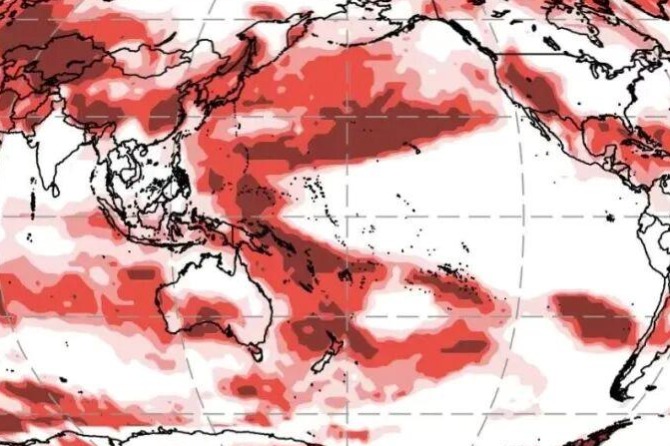
The Earth’s climate system demonstrated alarming acceleration in 2025 as global temperatures reached unprecedented levels, positioning the year among the three warmest in recorded history. According to comprehensive data released by China’s National Climate Center, the planetary surface temperature averaged 1.4°C above pre-industrial benchmarks (1850-1900 baseline) and 0.52°C higher than the 1991-2020 reference period.
January 2025 established a historic milestone as the warmest January ever documented, while the entire 2023-2025 triennium now stands as the hottest three-year period in meteorological records. The thermal anomaly affected vast geographical expanses, with eastern Asia, Central Asia, eastern Europe, North American sectors, and extensive oceanic regions experiencing their top-three warmest years. Polar amplification continued relentlessly, with the Arctic warming at 1.17°C above normal (third-highest recorded) and Antarctica exceeding norms by 0.43°C.
The critical Third Pole region—encompassing the Qinghai-Tibet Plateau’s high-altitude ecosystems—recorded temperatures 1.12°C above average, marking its fourth consecutive annual heat record from 2022 through 2025. China’s national temperature average surged to 11°C, exceeding long-term norms by 1.1°C and breaking the previous record established just one year earlier. Sixteen provincial-level regions documented their warmest years since comprehensive record-keeping began in 1961.
Thermal extremes manifested through prolonged heat events, with China experiencing a record 16.5 high-temperature days (≥35°C)—7.4 days above normal. The most persistent heatwave persisted for 71 days from June through September, ranking as the third-longest in history. The Yangtze River basin, southern China, Chongqing, and Xinjiang endured 30-50 days of extreme heat, while late-season thermal events affected southern regions well into autumn.
Marine systems mirrored atmospheric warming, with China’s coastal waters recording significantly elevated heat content. The South China Sea reached record temperatures while overall coastal heat ranked second-highest historically. Although sea surface temperatures slightly decreased from 2024’s record (21.05°C vs. 21.50°C), they remained 0.76°C above long-term averages.
These oceanic conditions fueled an exceptionally active typhoon season, with 19 storm surge events exceeding the decade’s average of 15. The intensified marine thermal energy contributed to increased frequency and severity of extreme weather events, resulting in above-average economic losses from coastal disasters affecting infrastructure, fisheries, and maritime industries. Meteorological authorities have committed to enhanced monitoring and early warning systems to strengthen regional climate resilience.