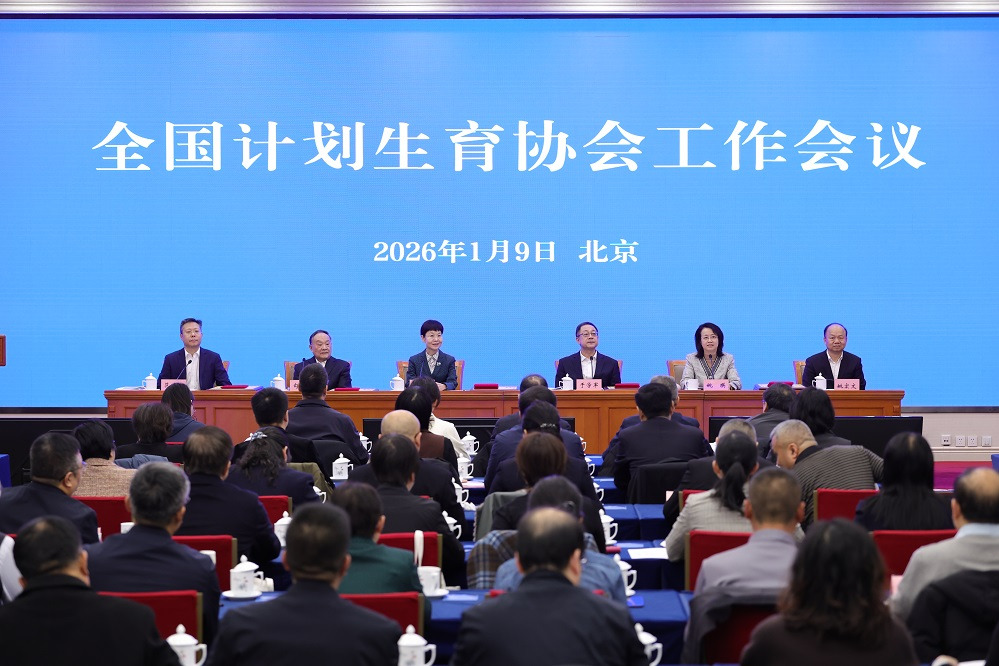
China has launched a multi-faceted national initiative to address demographic challenges through enhanced child development programs and fertility support systems. The China Family Planning Association (CFPA) reported substantial progress in creating a more supportive environment for families during its annual work meeting in Beijing on January 9, 2026.
Under the leadership of Standing Vice-President Yu Xuejun, the association has significantly expanded early childhood infrastructure, upgrading more than 4,000 facilities dedicated to early education and parent-child activities nationwide. These community-based centers specifically target families with children under three years old, providing affordable childcare options that reduce the financial burden on parents.
The digital transformation of family services has emerged as a cornerstone of China’s strategy. CFPA’s innovative WeChat mini-program has revolutionized access to reproductive and childcare services, offering comprehensive information and navigation for premarital checkups, prenatal screenings, painless delivery options, assisted reproduction technologies, and postnatal care. This digital platform has attracted remarkable engagement with over 1.6 million registered users and facilitated more than 10 million service sessions.
Educational outreach formed another critical component of the initiative. Throughout 2025, the association organized an extensive network of knowledge dissemination activities, conducting more than 50,000 events including prenatal classes, parenting workshops, and personalized door-to-door visits. These efforts reached over 300,000 families with infants and young children, providing crucial guidance on improving birth outcomes and child development.
Cultural transformation around marriage and childbearing received special attention through the establishment of over 460 themed parks across China. These integrated community spaces combine policy promotion with cultural activities and public education, creating visible symbols of the country’s renewed focus on family values.
The association also extended its reach to younger demographics, implementing youth health services across more than 10,000 primary and secondary schools, nearly 1,000 universities, and 3,200 related clubs. These programs have benefited over 10 million young people, establishing foundations for informed future family planning decisions.
Underpinning these initiatives is rigorous research, including a major survey on building a fertility-friendly society that gathered insights from over 80,000 urban and rural residents across 29 provincial-level regions. This data-driven approach ensures that policy adjustments are grounded in comprehensive public feedback.
Looking forward to 2026, CFPA plans to intensify its efforts by promoting positive views on marriage and childbearing, enhancing reproductive health services, and providing expert guidance to further improve birth outcomes and child development across Chinese society.