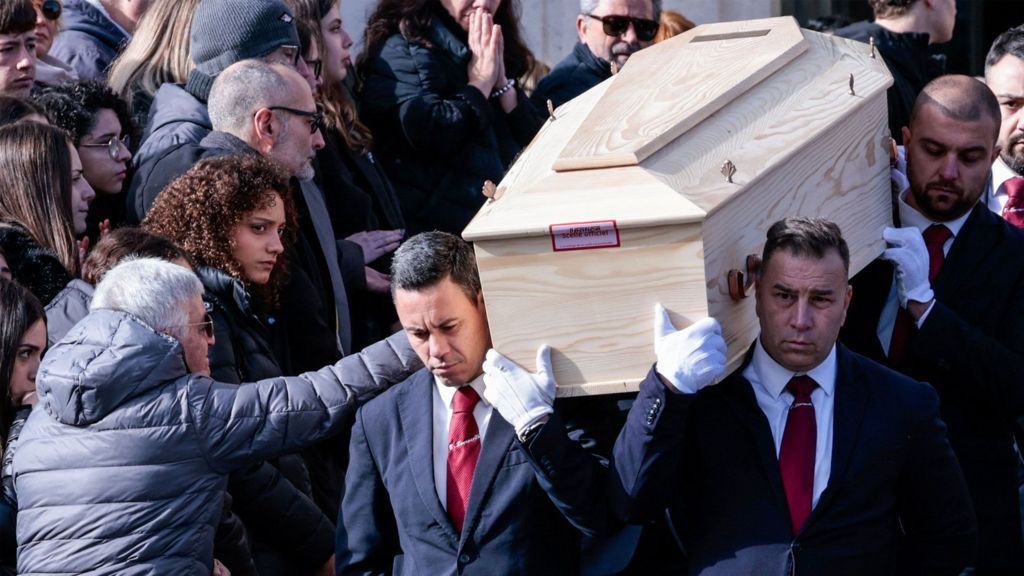
The devastating New Year’s Eve blaze at Le Constellation bar in Crans-Montana has ignited a profound national reckoning about Switzerland’s cherished decentralized governance model. With 40 young lives lost and 116 severely injured, the Alpine nation confronts uncomfortable questions about accountability in its famously devolved political system.
Switzerland’s governance structure empowers local communities through part-time elected officials who oversee everything from education to fire safety inspections. This system, long celebrated for ensuring grassroots accountability, now faces scrutiny after Crans-Montana’s Mayor Nicolas Feraud disclosed the tragic venue hadn’t undergone mandatory fire safety checks since 2019. Shockingly, only 40 of 128 local establishments received inspections in 2025.
The revelation triggered national fury, particularly as Crans-Montana and neighboring Zermatt rank among Switzerland’s wealthiest resorts. Mayor Feraud’s explanation—claiming insufficient inspectors—rang hollow for citizens who expect operational excellence from their institutions. Swiss journalists pressed aggressively about potential conflicts of interest in a system where inspectors often know establishment owners personally.
This tragedy transcends typical administrative failure. Survivors’ accounts reveal deep trauma—brothers escaping separately while believing the other had perished. Their mother’s public plea for ‘complete, transparent answers’ encapsulates national sentiment.
The crisis echoes previous Swiss institutional failures—Swissair’s 2001 collapse and UBS’s 2008 bailout—but with greater moral gravity. Unlike financial mismanagement, this represents catastrophic human cost. Valais President Matthias Reynard pledged a ‘strict and independent’ investigation near tears at Friday’s memorial service, while national President Guy Parmelin promised justice ‘without delay and without leniency.’
Legal actions are mounting, with attorney Romain Jourdan preparing cases against Crans-Montana’s council to ensure ‘such a tragedy never happens again.’ Broader systemic reforms are emerging, including proposals to transfer inspection authority from municipalities to canton level.
Paradoxically, the emergency response highlighted Swiss excellence—firefighters, paramedics, and helicopters arrived within minutes. Yet this efficiency magnifies the tragedy: world-class emergency services cannot compensate for neglected preventive measures.
The Swiss now question whether their decentralized model can meet 21st-century safety demands when part-time officials oversee complex regulatory frameworks. As the nation mourns, it confronts whether local accountability requires stronger oversight mechanisms to prevent future tragedies.