In an innovative approach to botanical nomenclature, Yunnan’s Flower Research Institute has initiated public participation campaigns to name newly developed rose varieties, creating a unique intersection between horticultural science and social values. The initiative gained national attention when netizens proposed naming a distinctive yellow rose ‘Wenxiu’ in honor of Huang Wenxiu, a village Party secretary who tragically died at age 30 during flood rescue operations in Guangxi in 2019. Huang was subsequently recognized as a national model for grassroots service.
The color symbolism proved particularly meaningful as ‘Huang’ translates to ‘yellow’ in Chinese, creating a natural connection between the flower’s chromatic qualities and the commemorative purpose. Researchers at the Yunnan Academy of Agricultural Sciences expressed openness to the proposal, with researcher Cai Yanfei noting: ‘The suggestion resonated because it felt natural—it wasn’t just about remembering a person but about matching names, colors, and values.’
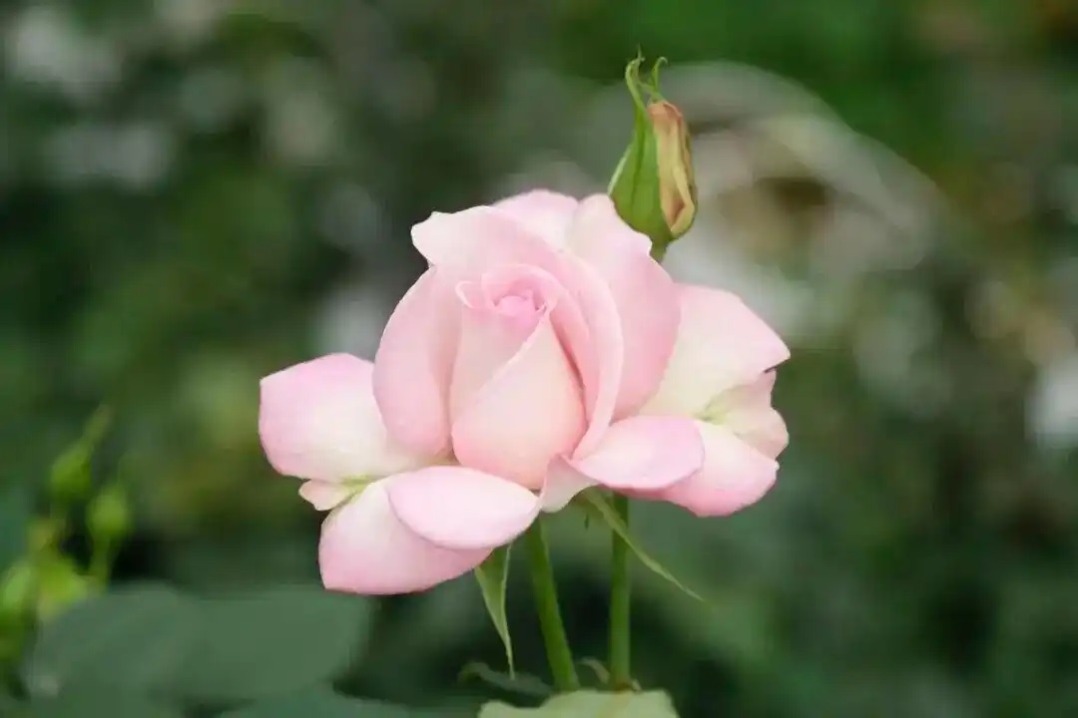
This naming discussion follows another successful public engagement instance in December, when researchers adopted ‘Baohua’ for a pink-rimmed variety after a netizen humorously suggested naming it after his flower-resembling uncle. The name received preliminary approval from the National Forestry and Grassland Administration and is scheduled for market release in August.
The naming initiatives form part of a substantial breeding program launched in late 2022, where the institute produces between 5,000-10,000 crossbreed combinations annually, generating over 100,000 seeds. From these, only a minute fraction survives rigorous testing for disease resistance, floral form, and adaptability. More than 2,000 plants have passed performance trials but remain unnamed, providing opportunities for future public engagement.
Researchers are developing systematic naming frameworks including the ‘Heroines’ series (honoring exemplary women) and ‘Light of the Ordinary’ series (recognizing everyday individuals). The process demonstrates how scientific advancement and public participation can converge, transforming plant breeding into a shared cultural practice that celebrates both botanical achievement and social values.