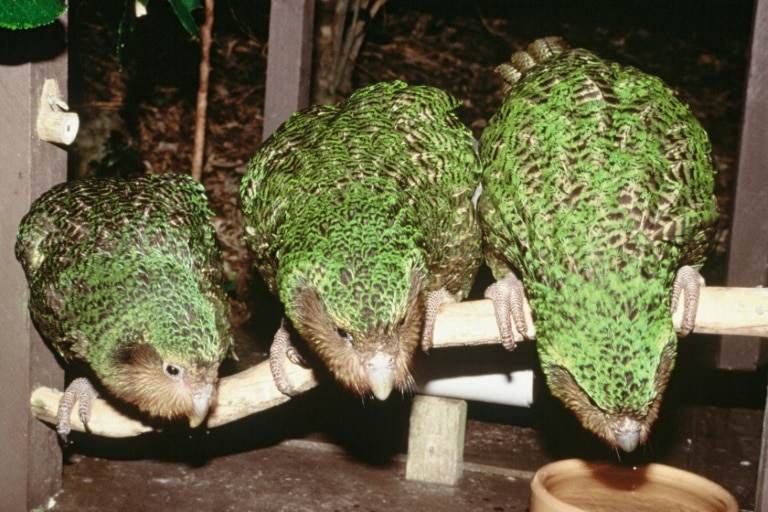
In a significant development for conservation efforts, New Zealand’s critically endangered kakapo parrot has commenced its breeding cycle for the first time since 2022, igniting optimism among wildlife experts for a potentially record-breaking season. The flightless, nocturnally active parrot—known for its distinctive green plumage and robust physique—initiated mating activities last week across three carefully managed island sanctuaries.
The current wild population stands at precisely 236 individuals, with 83 females of reproductive age participating in this season’s breeding activities. Conservation authorities from New Zealand’s Department of Conservation express particular enthusiasm for this cycle, noting the four-year interval since the last breeding event aligns with the species’ natural reproductive patterns.
Deidre Vercoe, Kakapo Recovery Operations Manager, emphasized the significance of this development: ‘The anticipation surrounding this breeding season has been substantial given the extended gap since previous activities. We’re projecting potentially unprecedented chick production numbers this year, possibly marking the most successful season since program initiation three decades ago.’
The Kakapo Recovery Programme—established collaboratively in 1995 between the Department of Conservation and Ngai Tahu, the indigenous Māori tribe—commenced with merely 51 birds facing imminent extinction risk. While population numbers peaked at 252 in 2022, subsequent years witnessed a decline of 16 individuals due to natural causes and environmental factors.
This season represents the thirteenth documented breeding cycle within the program’s 30-year history, consistent with the species’ characteristic two-to-four year reproductive intervals. Beyond numerical targets, conservationists emphasize broader ecological objectives including reduced human intervention and eventual establishment of self-sustaining populations.
Tane Davis, Ngai Tahu representative within the recovery program, articulated long-term aspirations for species reintroduction throughout New Zealand’s South Island territories. The initial chick hatchings are projected for mid-February, with conservation teams implementing enhanced monitoring protocols to maximize reproductive success.