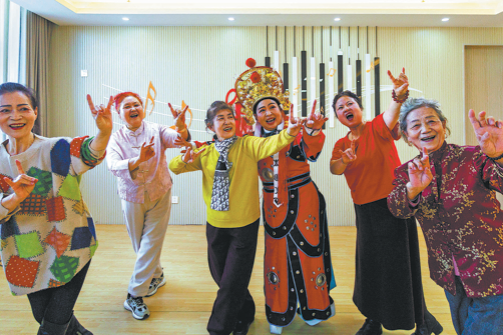
China is undergoing a profound demographic transformation as millions of experienced seniors are redefining retirement through workforce reentry, creating both opportunities and challenges for the nation’s economy. This shift comes alongside policy changes that are gradually raising retirement ages and encouraging the utilization of older workers’ accumulated expertise.
The voluntary retirement age adjustment policy, implemented from January 1, 2025, progressively increases the retirement threshold from 60 to 63 for men and from 55 to 58 for women over a 15-year transition period. This aligns China more closely with developed nations where retirement typically occurs between 64-65 years, with several countries moving toward 67 in response to aging populations.
Personal narratives illustrate this trend. Yan Qin, a 58-year-old former accountant from Beijing, returned to employment after three years of retirement, finding satisfaction in supporting younger colleagues despite reduced compensation expectations. Similarly, 62-year-old Wang Qingwen of Hangzhou invested in barista training, aspiring to establish her own café despite visual and manual challenges.
Research from the China Research Center on Aging reveals distinct employment patterns by age cohort: 38.3% of respondents aged 60-69 seek paid employment, compared to 19.4% of those 70-79, and merely 5.2% of octogenarians and beyond.
This demographic shift necessitates robust legal protections and policy support. Landmark regulations proposed in July 2025 by multiple government agencies aim to safeguard older workers’ rights through written agreements specifying working conditions, compensation, and insurance coverage. Employers are encouraged to provide age-appropriate positions while prohibited from assigning physically or mentally hazardous tasks.
The economic implications are substantial. China’s silver economy reached approximately 7 trillion yuan (6% of GDP) in 2024, with projections indicating growth to 30 trillion yuan (10% of GDP) by 2035. Currently, 77,600 companies specialize in products and services for seniors, supported by government investments including 7.59 billion yuan for constructing 202 nursing facilities in 2024.
Demographic statistics underscore the urgency: China’s 310 million citizens aged 60+ constitute 22% of the population, including 220 million aged 65+ (15.6%). Life expectancy has risen to 79 years, exceeding global averages by five years.
Beyond economic contributions, seniors are increasingly pursuing quality lifestyles through continued education, technology adoption, and experiential consumption. Wellness products, tailored smartphones, specialized tourism, and educational programs are gaining popularity among older demographics seeking meaningful engagement rather than mere subsistence.
Experts emphasize that successful integration of senior workers requires collaborative efforts between government, employers, and older individuals themselves—transforming demographic challenges into sustainable silver dividends through experienced talent utilization while alleviating pension system pressures.