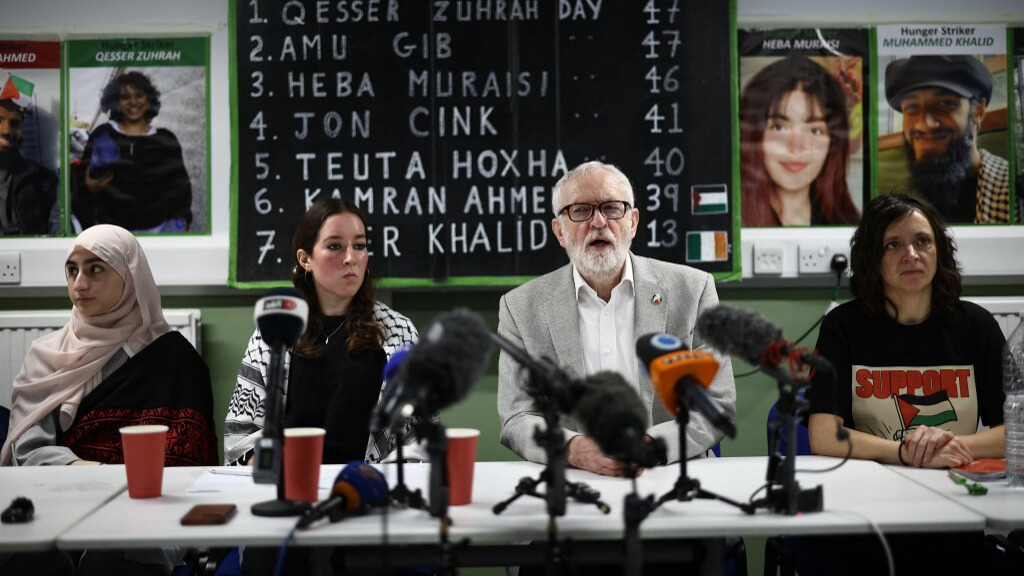
A grave humanitarian crisis is unfolding within Britain’s prison system as Palestinian rights activists approach dangerous medical thresholds during prolonged hunger strikes. Heba Muraisi, detained for over a year without trial regarding Palestine-related activism, has now endured 64 days without food—the longest hunger strike among a group of eight protesters—while exhibiting alarming neurological symptoms including muscle spasms and respiratory difficulties.
Muraisi’s protest began November 3, 2025, following her unexpected transfer from HMP Bronzefield to HMP New Hall, severing her from familial support networks. Prisoners for Palestine (P4P) reports she experiences involuntary arm twitches and breathing irregularities that suggest emerging neurological damage. The activist maintains she will continue refusing food until transferred back to her original facility and granted immediate bail.
This pattern extends to fellow detainees. Kamran Ahmed, hospitalized five times during his 58-day strike, suffers from intermittent hearing loss and swollen wrists from constant restraint use during medical treatment. Medical experts warn irreversible bodily damage is imminent. Meanwhile, Teuta Hoxha temporarily paused her strike after authorities addressed correspondence delays, though campaigners report prison officials now refuse hospital transfer despite doctors warning of life-threatening refeeding syndrome risks.
P4P spokesperson Francesca Nadin stated: ‘Grave danger looms over them as organ failure, paralysis, brain damage and sudden death become increasingly likely.’ The organization condemns the government’s refusal to engage with strikers despite United Nations interventions. Seven UN human rights experts previously warned the UK government of potential fatalities, noting hunger striking represents a ‘measure of last resort’ when legal remedies appear exhausted.
The detainees face allegations related to protests at Elbit Systems facilities and an RAF base, which they deny. Their treatment highlights broader concerns regarding punitive transfers, extended remand periods exceeding standard limits, and inadequate medical protection for Palestine solidarity activists within UK justice systems. The Ministry of Justice and prison service have not responded to requests for comment.