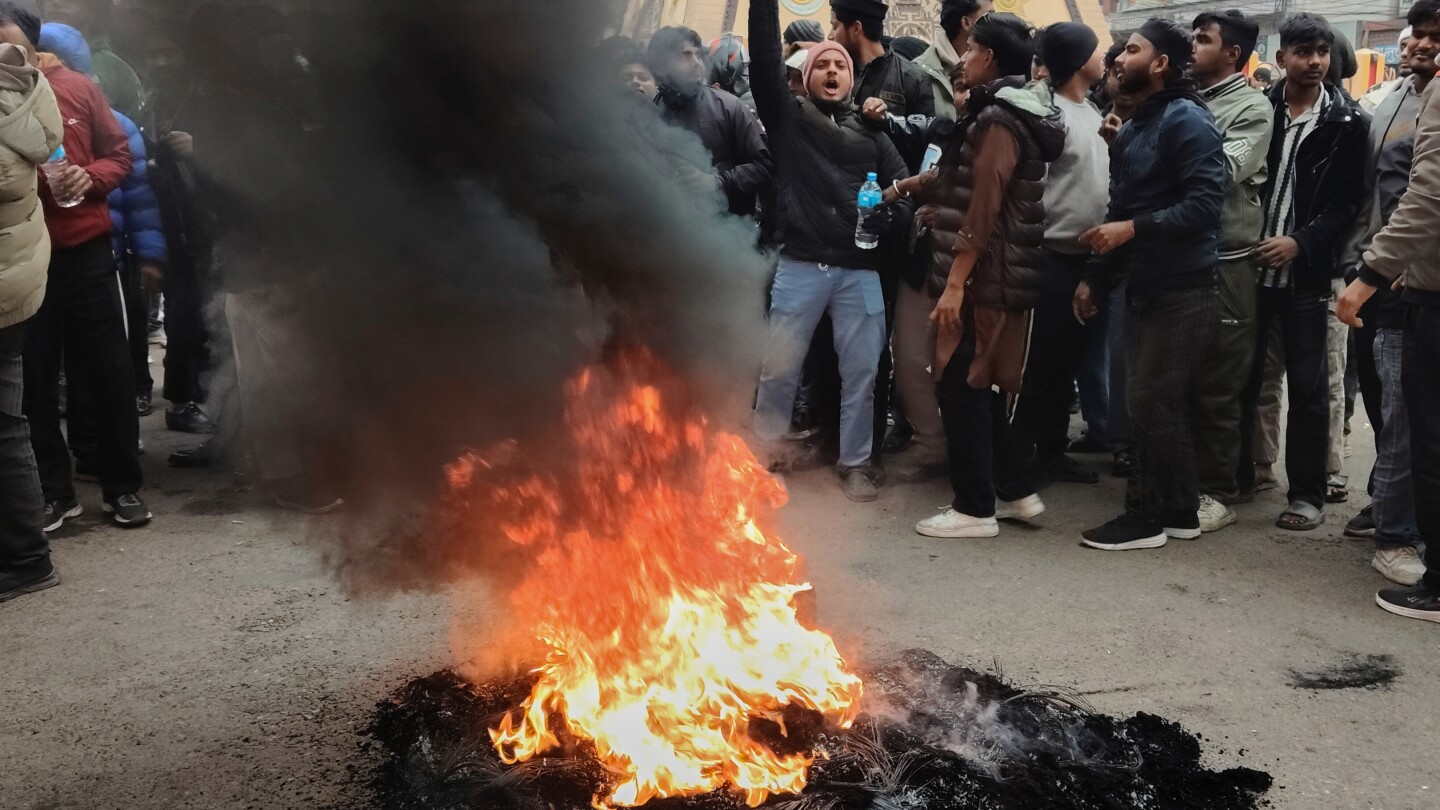
Authorities in Nepal have declared a strict curfew in the strategic border city of Birgunj following escalating tensions between Hindu and Muslim communities. The emergency measures were implemented after reciprocal protests erupted in response to the vandalization of a local mosque over the weekend.
The Parsa District Administration’s directive mandates complete prohibition of public movement, banning all forms of assembly and demonstrations. The official notice contained severe enforcement provisions, indicating that security forces are authorized to use lethal force against violators.
Birgunj, situated 130 kilometers south of Kathmandu, represents Nepal’s most vital trade conduit with India, handling critical imports including petroleum products and essential supplies. The city currently witnesses armed military and police patrols monitoring the streets.
The unrest initiated when Muslim demonstrators gathered on Sunday to protest the mosque desecration in a neighboring town. This was subsequently met with counter-demonstrations by Hindu groups on the same day, creating sustained tensions that have persisted through the week.
Despite the volatile situation, no significant violent confrontations between the religious groups have been documented. Minor altercations involving riot police have been reported, though no major injuries have been recorded.
Religious conflicts between Hindus and Muslims remain uncommon in Nepal, where Hinduism constitutes the majority faith. The nation’s Muslim demographic predominantly resides in southern border regions, making this incident particularly notable for its location and intensity.