In Finland’s educational institutions, a sophisticated defense against disinformation begins at the preschool level and continues throughout a student’s academic journey. This Nordic nation has systematically integrated media literacy into its national curriculum for decades, creating what experts describe as a robust societal immune system against propaganda and false narratives.
The comprehensive program, which starts with children as young as three, has gained renewed significance following Russia’s intensified disinformation campaigns across Europe after its full-scale invasion of Ukraine. Finland’s strategic position sharing an 1,340-kilometer border with Russia and its recent NATO accession have made media literacy training a national security priority.
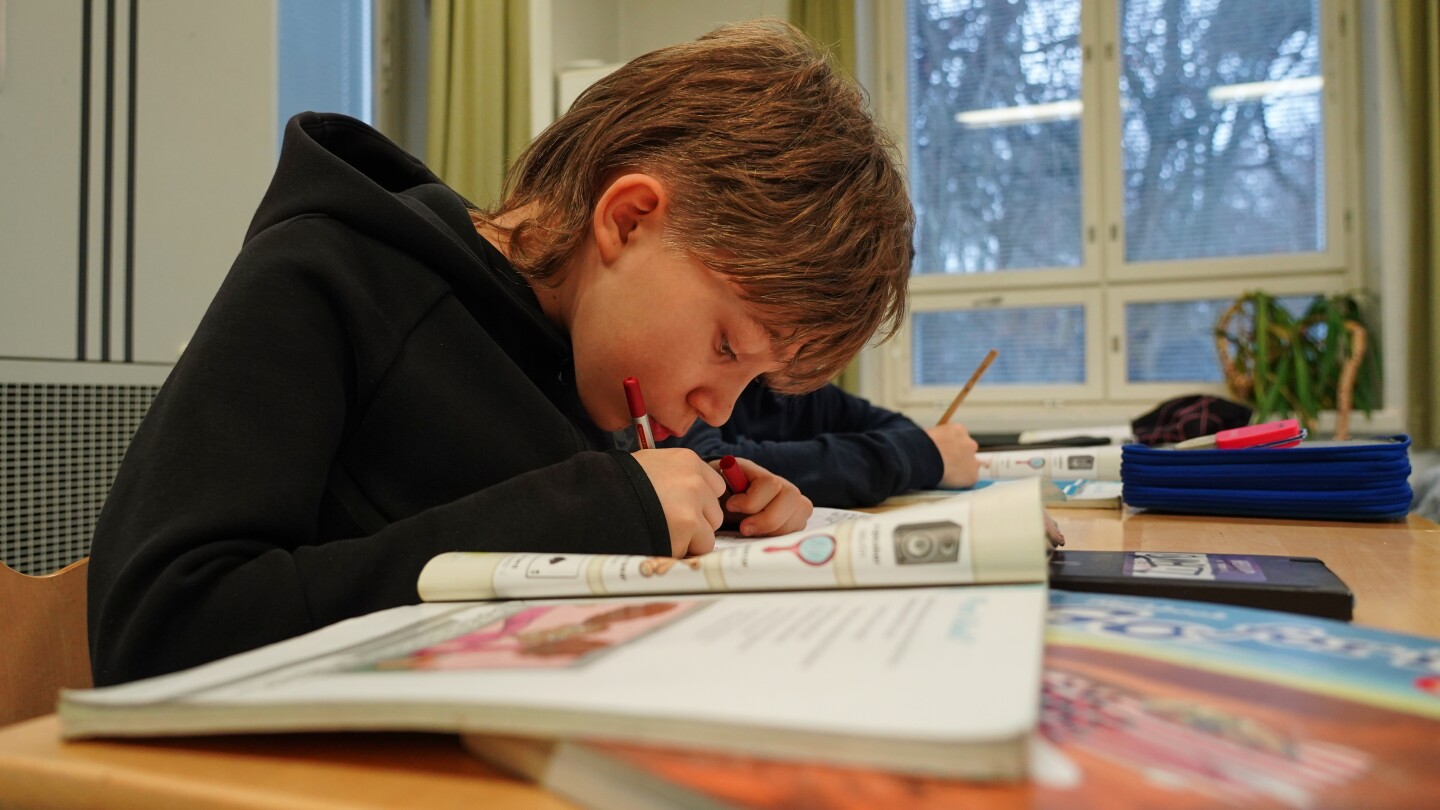
At Tapanila Primary School north of Helsinki, educator Ville Vanhanen demonstrates the program’s evolution. His fourth-grade students now learn to identify AI-generated content alongside traditional media analysis. ‘We’ve been studying how to recognize if a picture or video is made by AI,’ explains Vanhanen, who serves as both teacher and vice principal. ‘AI literacy is quickly becoming a vital skill.’
Finland’s approach extends beyond classroom walls. The country’s media organizations participate through initiatives like annual ‘Newspaper Week’ and the recent distribution of the ‘ABC Book of Media Literacy’ to every 15-year-old entering upper secondary school. Helsingin Sanomat managing editor Jussi Pullinen emphasizes: ‘It’s crucial to be seen as a source of verified, trustworthy information produced transparently by identifiable journalists.’
The program’s effectiveness is reflected in Finland’s consistent top rankings on the European Media Literacy Index. Since the 1990s, media literacy has been woven into the educational fabric so thoroughly that it has become cultural competence for the nation’s 5.6 million citizens.
Education Minister Anders Adlercreutz acknowledges the unanticipated challenges: ‘We didn’t envision being bombarded with disinformation that challenges our institutions and democracy itself.’
As AI technology advances rapidly, Finnish educators and hybrid threat experts are racing to develop new detection methodologies. Martha Turnbull of the European Centre of Excellence for Countering Hybrid Threats warns: ‘As we move toward agentic AI, distinguishing reality from fabrication will become significantly more difficult. Our educational systems must evolve faster than the threats they combat.’