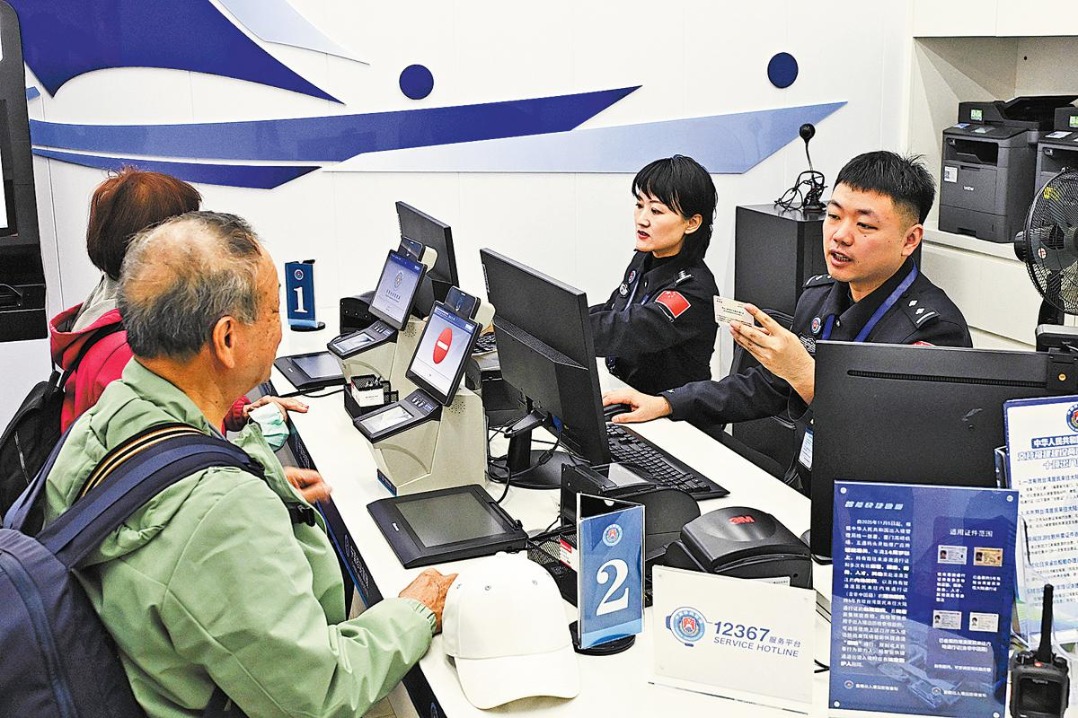
Fujian immigration authorities have reported a significant milestone in cross-Strait transportation, with ferry services between mainland China and Taiwan’s offshore islands facilitating over 26 million passenger journeys throughout their 25-year operational history. These vital maritime connections, collectively known as the ‘Mini Three Links,’ have established themselves as fundamental channels for interpersonal and cultural exchanges across the Taiwan Strait.
The inaugural voyage occurred on January 2, 2001, when two ferries transported 180 residents from Jinmen to Xiamen while simultaneously, a 507-member delegation from Matsu arrived at Fuzhou’s Mawei Port. This historic moment marked the resumption of direct transportation links after decades of separation between the two sides.
Currently, four active ferry routes connect the mainland cities of Fuzhou, Xiamen, and Quanzhou with the islands of Jinmen and Matsu. These maritime connections have evolved into the most economical and frequently available transportation option for travelers crossing the Strait. The year 2025 witnessed record-breaking usage with over 1.43 million Taiwanese passengers utilizing the services.
Passenger experiences highlight remarkable improvements in convenience and efficiency. Mr. Chang from Tainan noted the significantly streamlined customs process during his two trips to Xiamen last year before proceeding to his ancestral hometown in Quanzhou. Ms. Lin, traveling from Taipei via Jinmen in December, praised the implementation of facial recognition and fingerprint verification systems that made entry procedures ‘exceptionally fast and straightforward.’
Chen Jinlai, Deputy Director of Xiamen’s Gaoqi Immigration Inspection Station, emphasized the transformative impact of these routes on regional mobility. ‘With ferries departing every thirty minutes and a crossing duration of merely 25 minutes, the experience parallels the convenience of urban bus transportation,’ Chen stated.
The services particularly accommodate Taiwanese residents with ancestral connections to Fujian province, who frequently utilize the routes for family visits during traditional festivals like Qingming. The transportation network also supports cultural and sporting exchanges, including pilgrimages to Mazu temples and participation in mainland-based cycling and baseball events.
Port authorities have implemented specialized facilities and optimized procedures to manage the substantial passenger volume efficiently, ensuring smooth transit experiences for all travelers.