Dubai’s educational landscape is undergoing a significant temporal adjustment as private institutions prepare to implement a revised Friday schedule starting January 9, 2026. The Knowledge and Human Development Authority (KHDA) has mandated that all private schools and early childhood centers must conclude their academic activities no later than 11:30 AM on Fridays, creating a substantial ripple effect across family routines and urban logistics.
This policy shift aligns with the nationwide adjustment of Friday prayer timings to 12:45 PM, as confirmed by the General Authority for Islamic Affairs, Awqaf and Zakat. While intended to synchronize educational and religious schedules, the implementation has generated complex logistical challenges for many households.
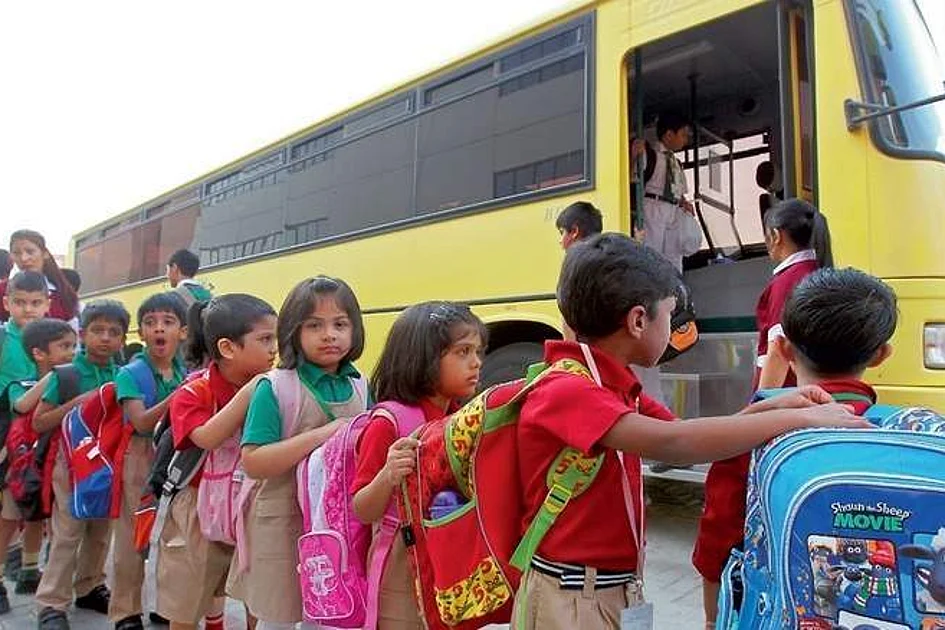
Transportation dynamics represent a primary concern among parents. Ami Rasheed, mother of two, expresses apprehension about overlapping traffic patterns: “With school buses operating simultaneously with prayer traffic, we anticipate significant congestion. My son will have merely 15 minutes to transition from school to mosque.” This sentiment is echoed by Maha Abdelrahman from The Greens, who notes that previous 12:00 PM dismissals already created challenging pickup scenarios.
The adjustment presents particular difficulties for dual-income families. American expatriate Natalia Miranda questions the educational value of abbreviated sessions: “With merely three to four hours of instruction, we might reconsider whether Fridays should remain formal school days. Most workplaces cannot accommodate early departures, creating childcare complications.”
Conversely, some families welcome the modified schedule. Shun Khin Shun Lae Tha, a Myanmar expatriate, appreciates the flexibility: “My adaptable work situation makes this transition manageable. The earlier conclusion provides additional rest time, potentially enhancing my daughter’s wellbeing and academic focus.” Filipino expatriate Ben Lebig similarly values the extended family time facilitated by the adjustment.
Long-term residents like Syrian expatriate Nawar Mahmoud perceive minimal disruption, noting their children’s previous 11:45 AM dismissal made the change relatively insignificant. Mahmoud additionally highlights Dubai’s abundant mosque availability as mitigating transportation pressures for prayer attendance.
The schedule modification has ignited broader discussions about educational efficiency, work-life balance, and urban planning considerations. While some parents advocate for remote learning alternatives, others emphasize the irreplaceable value of classroom interactions and social development.
As implementation approaches, families are engaging in crucial conversations with employers and educational institutions to navigate the new temporal landscape. The adjustment represents another chapter in Dubai’s continuous evolution as it balances traditional practices with modern urban living requirements.