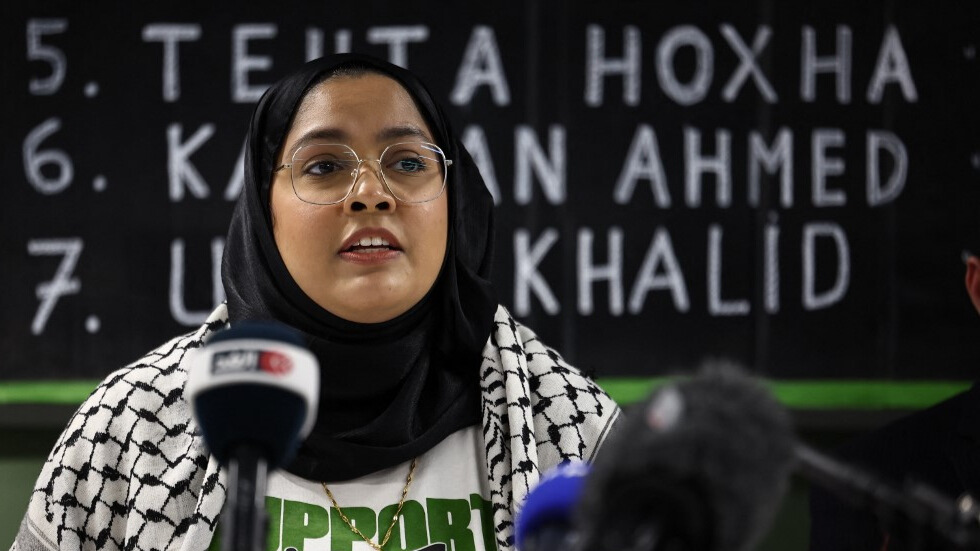
A health emergency is unfolding within the British prison system as pro-Palestine activists on prolonged hunger strikes face severe medical deterioration. Kamran Ahmed, detained on charges related to the direct action group Palestine Action, has been hospitalized for the fifth time after refusing food for over 50 days.
Ahmed is among eight activists who initiated their hunger strike last year after Home Secretary Shabana Mahmood failed to respond to their concerns regarding prison treatment. Their demands encompass immediate bail, cessation of interference with personal communications, and the removal of Palestine Action from the UK’s list of proscribed organizations. The group alleges UK complicity in Israel’s actions in Gaza, which they characterize as genocide.
Medical conditions among the strikers have become critical. Ahmed’s sister, Shamina Alam, reported his body’s inability to heal properly, with developing sores at blood extraction sites and potential flu complications creating dangerous health combinations. Simultaneously, fellow striker Heba Muraisi, now 60 days without food, has reported losing coherent speech capabilities and suffering from constant body aches and bruising.
The situation has drawn international concern, with seven independent UN human rights experts warning of imminent organ failure and death among the activists. The experts emphasized that hunger striking represents a “measure of last resort” for those believing their protest rights have been exhausted. The group included Francesca Albanese, UN special rapporteur for occupied Palestinian territories, and Gina Romero, special rapporteur on freedom of peaceful assembly.
UN experts highlighted concerning allegations regarding prison practices, including delayed medical care, excessive restraint during hospital treatment, and restrictions on family and lawyer communications. They stressed that the state’s duty of care toward hunger strikers is “heightened, not diminished,” requiring authorities to ensure timely emergency care and refrain from retaliatory actions.
The protests occur within a broader context of restricted pro-Palestine activism in Britain, including counterterrorism powers and the proscription of Palestine Action under terrorism legislation. While four strikers have paused their action, four others continue despite deteriorating health.
The legal battle intensifies as prisoner representatives launch action against the UK government after Justice Secretary David Lammy refused urgent negotiation meetings. The eight detainees, held in five prisons, face charges related to break-ins at factories owned by Israeli arms company Elbit Systems and a Royal Air Force base in Oxfordshire, all of which they deny.