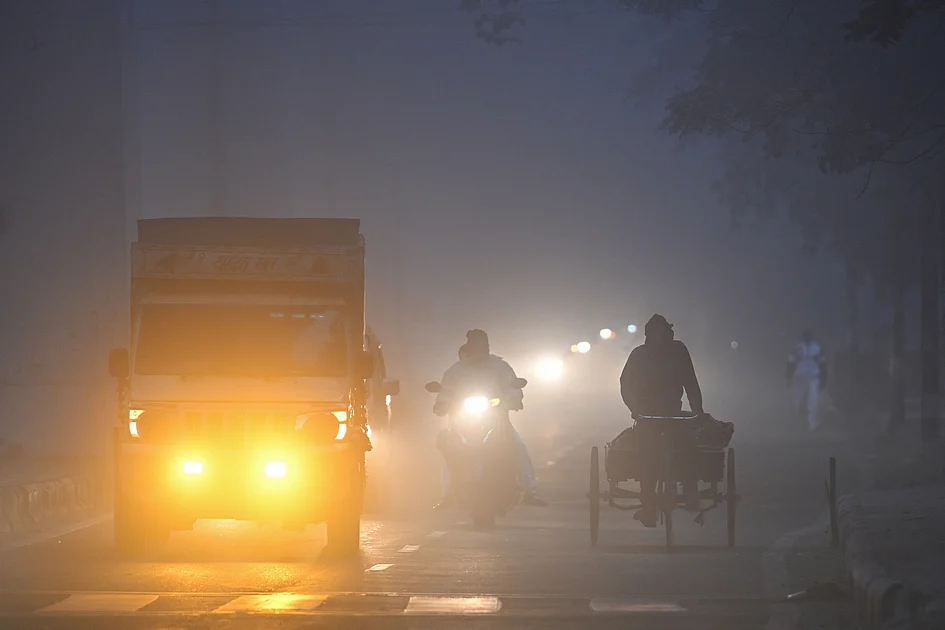
A severe combination of toxic smog and dense fog enveloped New Delhi on Friday, January 2nd, 2026, creating hazardous conditions that significantly disrupted air travel and daily life. The capital’s Indira Gandhi International Airport experienced substantial flight delays and cancellations as visibility dropped dramatically across the city.
Airline IndiGo had proactively issued a travel advisory on January 1st, warning passengers of anticipated disruptions. The carrier preemptively canceled several early-morning flights to minimize passenger inconvenience. Travelers were strongly advised to verify their flight status via official channels before heading to the airport, with airline teams actively monitoring conditions and assisting affected customers.
The environmental crisis was quantified by the Central Pollution Control Board, which recorded an overall Air Quality Index (AQI) of 348 at approximately 8 a.m.—a reading that borders the ‘very poor’ and ‘severe’ classification. Monitoring stations throughout Delhi consistently reported AQI levels ranging from 219 to 348, indicating widespread dangerously poor air quality.
Despite the challenging conditions, Republic Day preparations continued with security personnel and parade participants persevering through the low visibility at India Gate. The India Meteorological Department reported temperatures around 11°C alongside persistent dense fog, with forecasts suggesting improving conditions beginning Saturday. The combination of extreme pollution and cold wave conditions significantly disrupted morning routines for residents across multiple areas of the national capital.