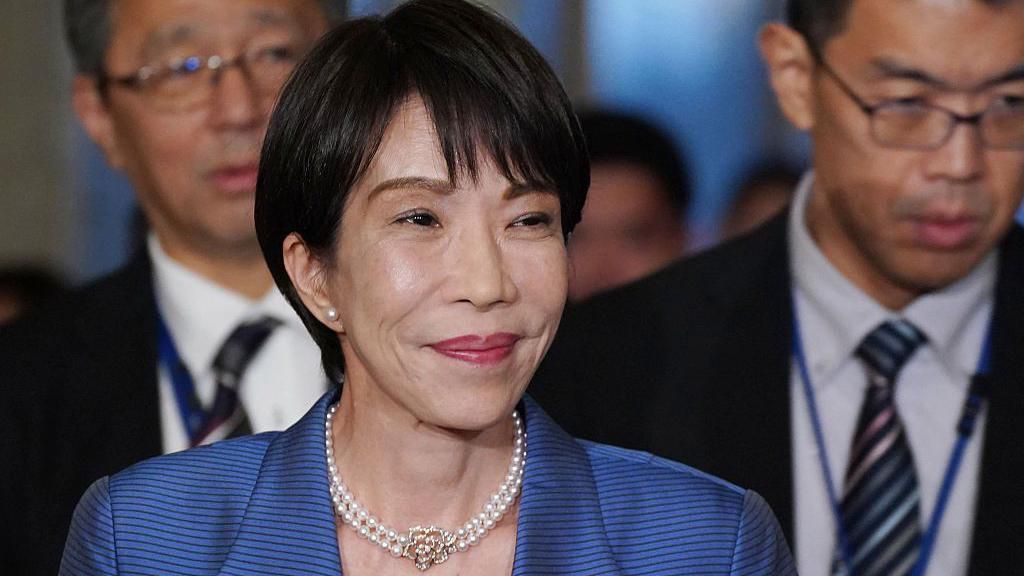
In a landmark move highlighting infrastructure gender gaps, approximately 60 female Japanese parliamentarians including Prime Minister Sanae Takaichi have formally requested expanded women’s restroom facilities within the National Diet building. This initiative comes following October 2024’s historic election that seated 73 women in the 465-member Lower House, surpassing the previous record of 54 set in 2009.
The petition reveals significant disparities: while male legislators enjoy access to 12 restrooms containing 67 stalls and urinals throughout the parliamentary complex, female members share merely nine restrooms with only 22 total cubicles. Most critically, just one women’s facility with two stalls serves the crucial plenary chamber area where legislators gather for major sessions.
Opposition lawmaker Yasuko Komiyama of the Constitutional Democratic Party detailed the practical consequences: ‘Long queues consistently form before plenary sessions commence, prompting some colleagues to abandon restroom use entirely beforehand.’ The situation compounds as female staff and visitors must share these inadequate facilities.
This infrastructure deficiency originates from the building’s 1936 construction, predating women’s suffrage (granted 1945) and the first female parliamentarians (1946). The sprawling structure encompasses over 53,000 square meters but remains structurally unchanged despite evolving demographic realities.
Komiyama framed the issue symbolically: ‘I want to raise my voice preparing for when women exceed 30% parliamentary representation.’ Lower House committee chair Yasukazu Hamada has reportedly expressed willingness to consider the proposal, acknowledging alignment with broader gender equity goals.
Despite a governmental target for 30% female leadership across sectors by 2020 (later extended to 2030), women currently hold just 16% of Lower House seats. Prime Minister Takaichi—who appointed only two other women to her 19-member cabinet despite Nordic-level representation pledges—now supports addressing this fundamental equity issue.
The parliamentary restroom shortage mirrors nationwide patterns where queues for women’s public facilities remain commonplace. Former Prime Minister Shigeru Ishiba previously committed to enhancing women’s restroom infrastructure for a society where ‘women can live with peace of mind,’ indicating cross-party recognition of this persistent challenge.