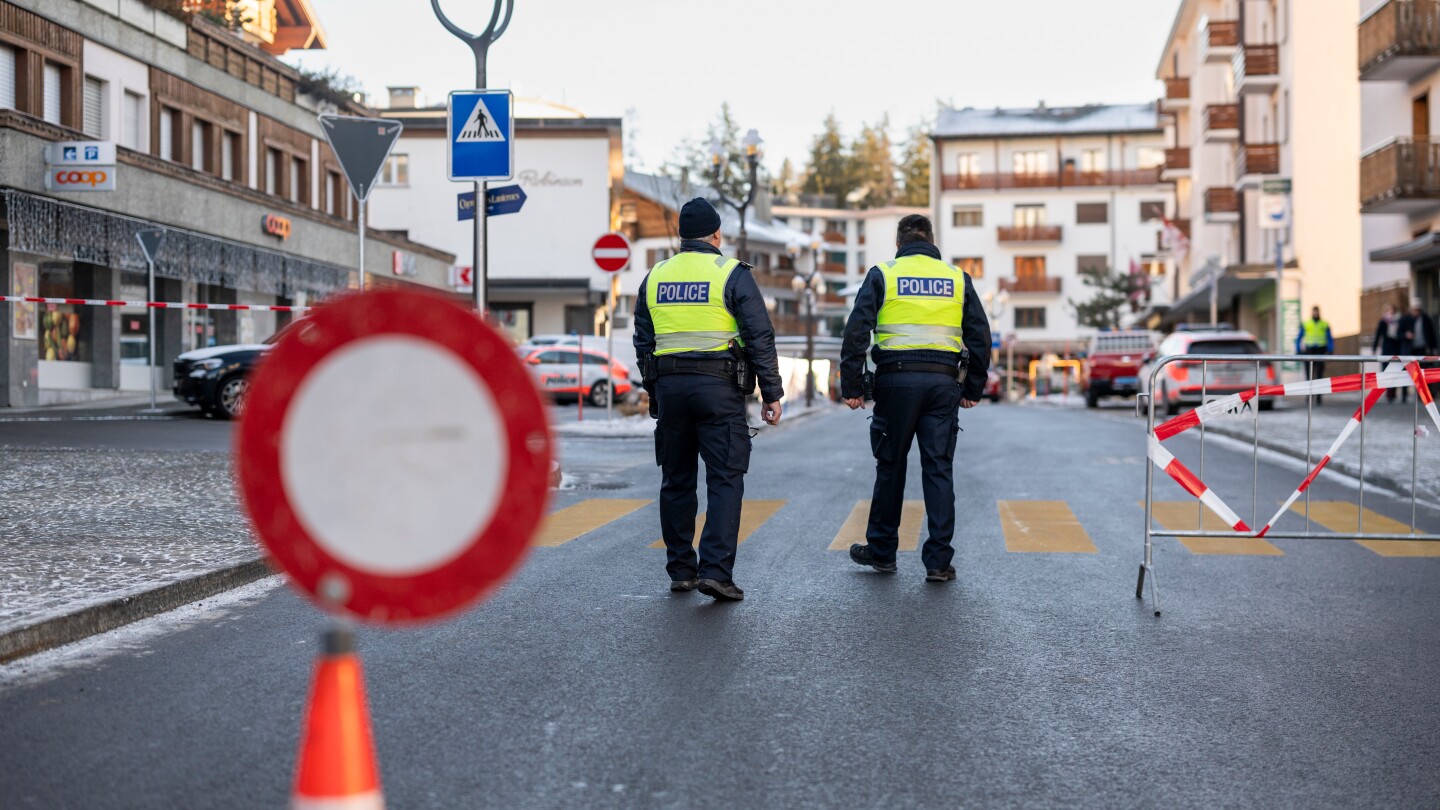
A devastating fire erupted at a bar in the Swiss ski resort of Crans-Montana during New Year’s celebrations, resulting in dozens of presumed fatalities and approximately 100 injuries according to official reports. The tragedy has drawn attention to a global pattern of similar nightlife venue disasters spanning decades.
The incident echoes multiple historical catastrophes including the 2025 Pulse club fire in North Macedonia that killed 63 revelers due to pyrotechnic flames, and Istanbul’s 2024 Masquerade nightclub blaze that claimed 29 lives during renovations. Other notable tragedies include Spain’s 2023 Murcia nightclub complex fire (13 deaths), Indonesia’s 2022 Sorong nightclub incident (19 deaths), and Cameroon’s Liv’s Nightclub explosion (17 fatalities).
Historical precedents reveal disturbing similarities in safety failures. The 2016 Oakland Ghost Ship warehouse fire killed 36 people trapped in illegally constructed spaces, while Romania’s 2015 Colectiv nightclub pyrotechnics disaster caused 64 deaths. Brazil’s 2013 Kiss nightclub tragedy claimed over 200 lives due to toxic fumes from burning soundproofing foam.
Further examination shows recurring patterns: Russia’s 2009 Lame Horse fire (152 deaths) from indoor fireworks, Thailand’s 2009 Santika club blaze (67 deaths) post-countdown celebrations, and China’s 2008 King of Dancers incident (44 deaths) combining fireworks and stampedes. Argentina’s 2004 Cromagnon Republic fire (194 deaths) involved flammable ceiling foam ignition, mirroring the 2003 Station nightclub disaster in Rhode Island (100 deaths) where band fireworks ignited toxic foam.
The chronology extends to earlier decades including the 1942 Cocoanut Grove fire in Boston (492 deaths) that revolutionized US fire safety codes, and Mississippi’s 1940 Rhythm Night Club tragedy (209 deaths) where boarded windows prevented escape. This historical context underscores persistent safety challenges in entertainment venues worldwide despite technological advancements and regulatory improvements.