Across China, traditional New Year festivities are undergoing a significant transformation as citizens increasingly favor contemplative and culturally enriching experiences over conventional celebrations. This cultural shift reflects a growing desire among Chinese people, particularly younger generations, to mark the annual transition with purpose and personal significance.
In Beijing, Tao Dance Theater’s artistic director Tao Ye has pioneered “The World of Movements,” an immersive dance event where participants use physical expression to process memories and embrace the future. “The concept of crossing into a new year functions as a ritualistic renewal,” Tao explained. “It represents pushing forward while sharing this collective moment with others.” Participant Tian Tian described how dance “transforms time into a tangible experience, anchoring me in the present and offering a real sense of existence.”
Beyond the capital, diverse regions have developed unique approaches to meaningful celebration. In Shanxi province, theater enthusiasts attending the dance drama “The Palace Through Time” receive complimentary access to the historic Yongle Palace, the Yuan Dynasty Taoist temple that inspired the production. This innovative pairing creates an immersive cultural journey bridging ancient heritage with contemporary artistic expression.
The ancient water town of Wuzhen in Zhejiang province has reimagined its New Year programming with participatory theatrical performances that engage visitors in unfolding narratives. According to organizer Zhou Jianhong, “Wuzhen provides a space to reconnect with others, with the world, and with oneself. We offer people an opportunity to step away from daily noise and engage in life’s most fundamental ritual of renewal.”
For families seeking nature-centered transitions, destinations like Luya Mountain in Shanxi provide winter landscapes for hiking, skating, and skiing. Beijing resident Liu Mengying, who plans to hike with her children, noted this represents a conscious choice after last year’s museum visit, emphasizing quality bonding and memory creation.
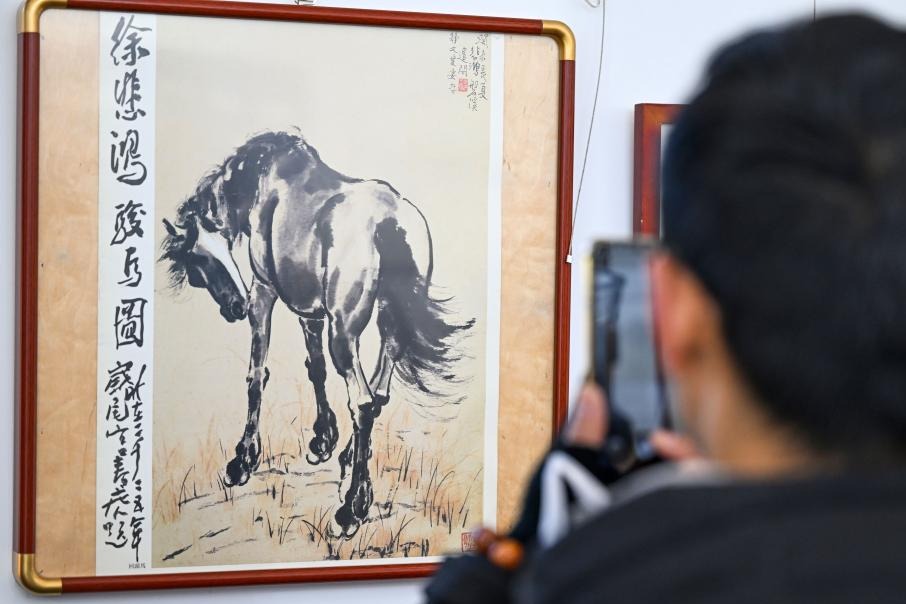
Museums nationwide continue to contribute to this reflective trend with special exhibitions encouraging contemplation of history, nature, and cultural heritage. These culturally rich alternatives to traditional countdown events demonstrate China’s evolving celebration customs, where meaningful experiences increasingly take precedence over conventional festivities.