Scientists at NYU Abu Dhabi’s Mubadala ACCESS Center have made a groundbreaking discovery identifying the precise climatic mechanisms responsible for extreme summer temperatures in the Arabian Gulf. Their research, published in late December 2025, reveals how specific atmospheric conditions combine to create dangerous marine heatwaves that threaten the region’s fragile ecosystems.
The study demonstrates that marine heatwaves occur when two major wind systems undergo simultaneous shifts: the weakening of northwesterly Shamal winds coincides with the strengthening of the Indian summer monsoon. This atmospheric combination increases humidity over the Gulf, creating conditions that trap heat at the ocean surface and elevate sea temperatures to critical levels.
Unlike other ocean systems where marine heatwaves typically form under clear skies and intense sunlight, the Arabian Gulf’s extreme temperatures develop under humid, hazy conditions. The research further establishes connections between Gulf warming and large-scale climate patterns, particularly noting that extreme warming is more probable during La Niña events—when the tropical Pacific Ocean cools—and when the North Atlantic Oscillation enters a weakened phase.
Dr. Zouhair Lachkar, senior scientist at NYU Abu Dhabi and lead study author, emphasized the unexpected nature of their findings: ‘Our research reveals surprising mechanisms driving marine heatwaves in this region, challenging conventional understanding of oceanic heating patterns.’
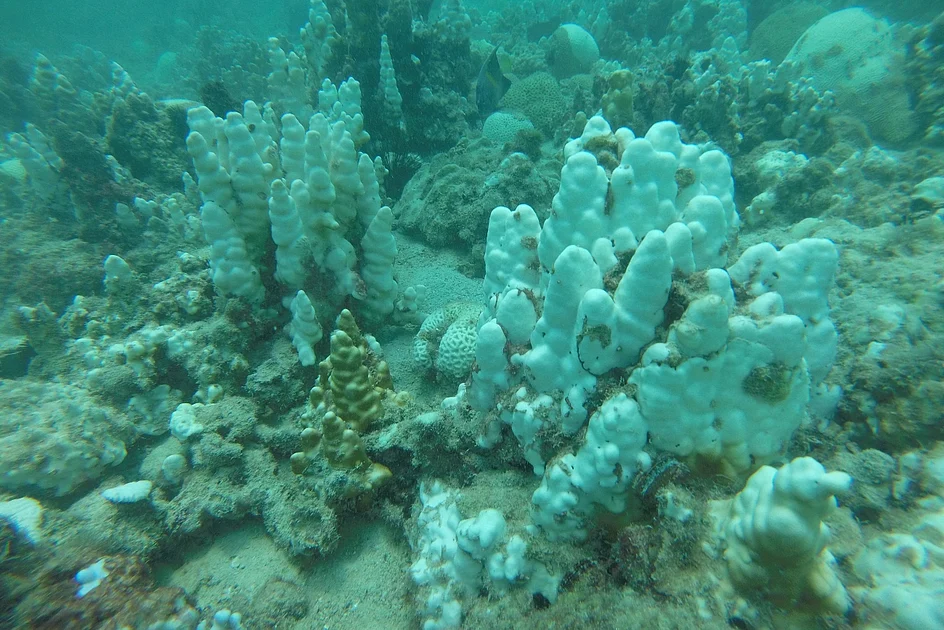
The practical implications are substantial, as this discovery enables forecasting of extreme conditions two to three months in advance. This advanced warning system provides crucial time for authorities to implement protective measures for vulnerable marine ecosystems, including coral reefs and fisheries that face catastrophic bleaching and disruption during temperature extremes.
Dr. John Burt, co-director of the Mubadala ACCESS Center and senior study author, highlighted the research’s significance: ‘These predictive capabilities allow marine managers and policymakers to proactively monitor and safeguard vulnerable ecosystems, aligning with our mission to produce regionally relevant research with global impact.’
As climate change intensifies the frequency and severity of extreme weather events, this research represents a critical advancement in developing localized, data-driven forecasting tools to protect biodiversity, fisheries, and coastal communities throughout the Arabian Gulf region.