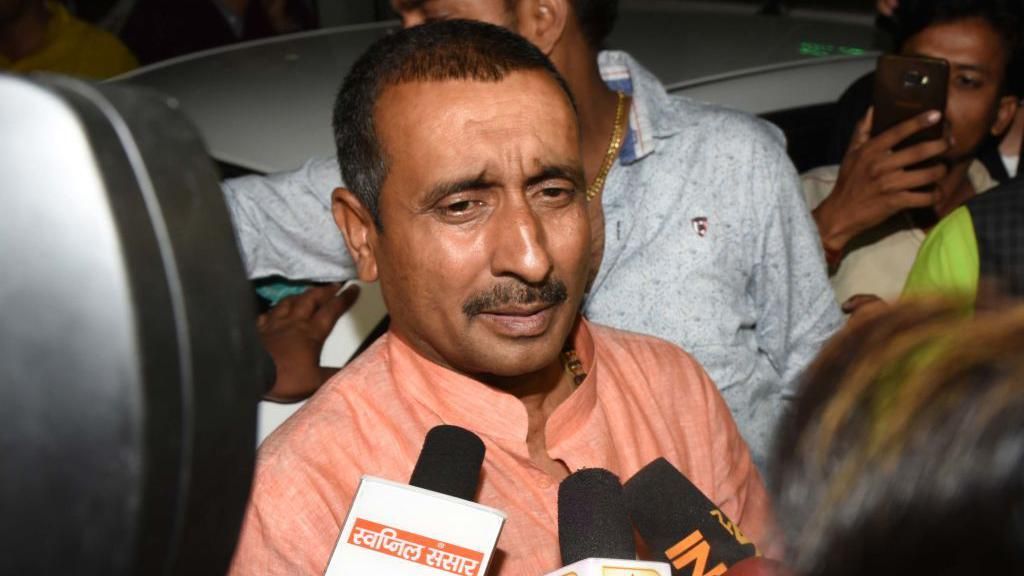
India’s judicial system witnessed dramatic developments as the Supreme Court intervened to suspend a controversial bail order for convicted rapist and former politician Kuldeep Singh Sengar. The ruling temporarily blocks Sengar’s potential release while the court examines legal arguments regarding his status as a public servant.
Sengar, previously affiliated with the ruling Bharatiya Janata Party (BJP), received life imprisonment in 2019 under the Protection of Children from Sexual Offences (Pocso) Act for raping a 17-year-old girl in Uttar Pradesh’s Unnao district. The case represents one of India’s most notorious sexual violence incidents in recent years.
The legal controversy emerged when the Delhi High Court unexpectedly suspended Sengar’s sentence last week, granting conditional bail based on a technical interpretation of the Pocso Act. The court accepted defense arguments that Sengar’s legislative position didn’t qualify him as a ‘public servant’ under the law’s definition of ‘aggravated assault,’ which mandates stricter punishment for authority figures.
This decision triggered immediate public outcry, with the survivor and her mother leading protests at Delhi’s India Gate monument. The victim expressed grave concerns for her safety should Sengar regain freedom, highlighting the complex history of intimidation surrounding the case.
The case’s background reveals a pattern of alleged intimidation and violence. Months before Sengar’s conviction, the survivor experienced a suspicious car accident that killed two relatives and injured her lawyer. Her father previously died in prison after being arrested on weapons charges following allegations that Sengar’s associates assaulted him.
The Central Bureau of Investigation (CBI), which originally investigated the case, challenged the bail decision before the Supreme Court. Prosecutors argued that elected legislators inherently hold ‘constitutional positions of trust and authority,’ qualifying them as public servants under aggravated assault provisions.
Chief Justice Surya Kant’s bench acknowledged the unusual nature of staying a bail order without hearing the convict but cited ‘peculiar facts and circumstances’ given Sengar’s additional ten-year sentence for culpable homicide in the death of the survivor’s father. The Supreme Court will now conduct a comprehensive review of the legal interpretation that prompted the controversial bail decision.