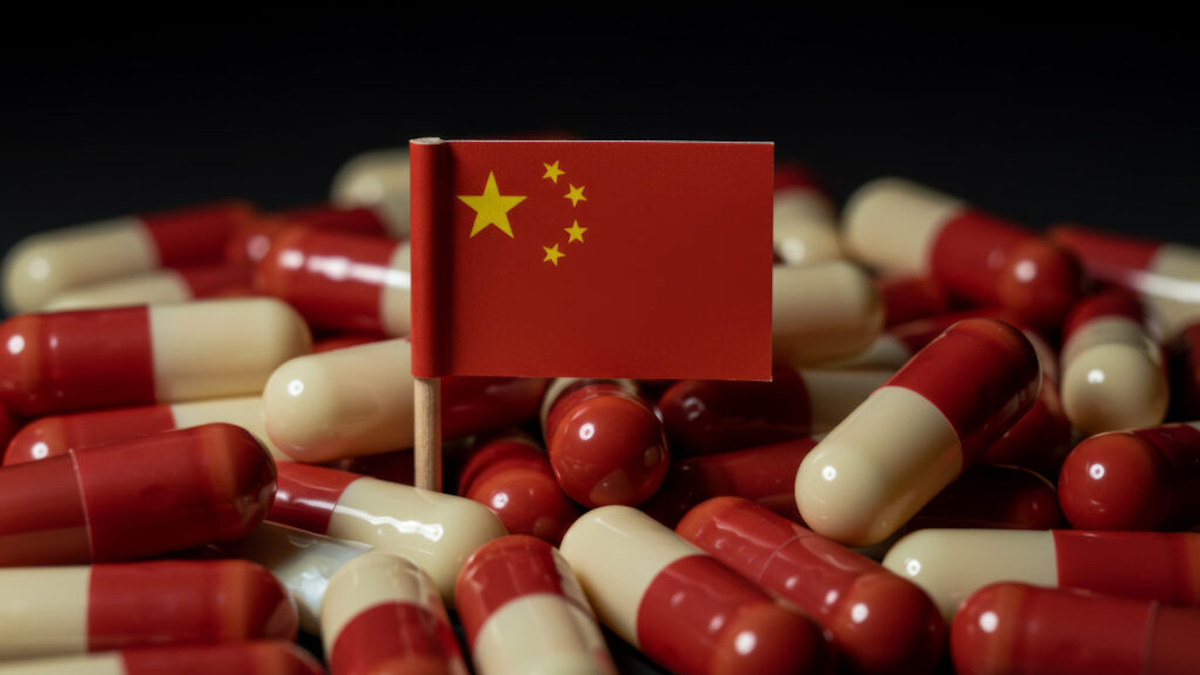
China has achieved pharmaceutical parity with the United States through a remarkable transformation in drug discovery output, escalating from approximately 30 new medicines in 2013 to over 400 annually within a decade. This extraordinary growth represents not merely an economic milestone but a compelling natural experiment in contrasting innovation methodologies.
Western pharmaceutical development has traditionally operated on an engineering-based premise: identify biological targets, design precision molecules, and refine through methodical iteration. While scientifically rigorous, this approach has demonstrated significant limitations—only about 5% of drugs successful in animal trials ultimately achieve regulatory approval, according to pharmacologist Jack Scannell and other researchers.
China’s biotech sector has embraced a fundamentally different philosophy. Fueled by substantial government subsidies and a cultural emphasis on rapid execution, the country has adopted what might be termed ‘serendipity maximization’—the strategic approach of increasing experimental volume to enhance the probability of unexpected breakthroughs. Chinese state-owned enterprises alone now contribute approximately 200 new experimental medicines annually, comparable to the combined output of all European public and private entities.
This divergence in approaches presents both opportunities and risks. China’s velocity-focused model carries evident safety concerns, exemplified by past incidents like the melamine scandal in infant formula. Much of China’s current output concentrates on biosimilars and well-established therapeutic classes rather than genuinely novel mechanisms, raising questions about quality versus quantity.
Conversely, Western pharmaceutical innovation faces structural challenges including protracted regulatory timelines, declining federal research support, and a venture capital ecosystem favoring billion-dollar bets over abundant experimentation.
The most productive perspective transcends nationalist framing. The COVID-19 pandemic demonstrated that distributed global health innovation—combining American mRNA platforms, Chinese inactivated virus approaches, and Indian manufacturing scale—collectively served humanity more effectively than any single-source solution. Similarly, pharmaceutical innovation may benefit from complementary approaches: China’s serendipity-based model potentially uncovering unexpected therapeutic mechanisms while Western precision-targeting produces refined follow-on therapies.
The critical question isn’t which nation ‘wins’ but whether the global system can produce medicines faster, cheaper, and for a broader range of diseases—including neglected conditions that neither purely market-driven nor state-directed systems adequately address. The healthiest outcome involves productive competition that forces both systems to improve, coupled with collaboration that neither ideology comfortably permits.
Drug discovery has always been evolutionary: trial, error, and adaptation. The current moment simply accelerates that evolution with two distinct selection pressures operating simultaneously. History suggests that when medicine becomes primarily a vehicle for national prestige rather than patient benefit, everyone loses.