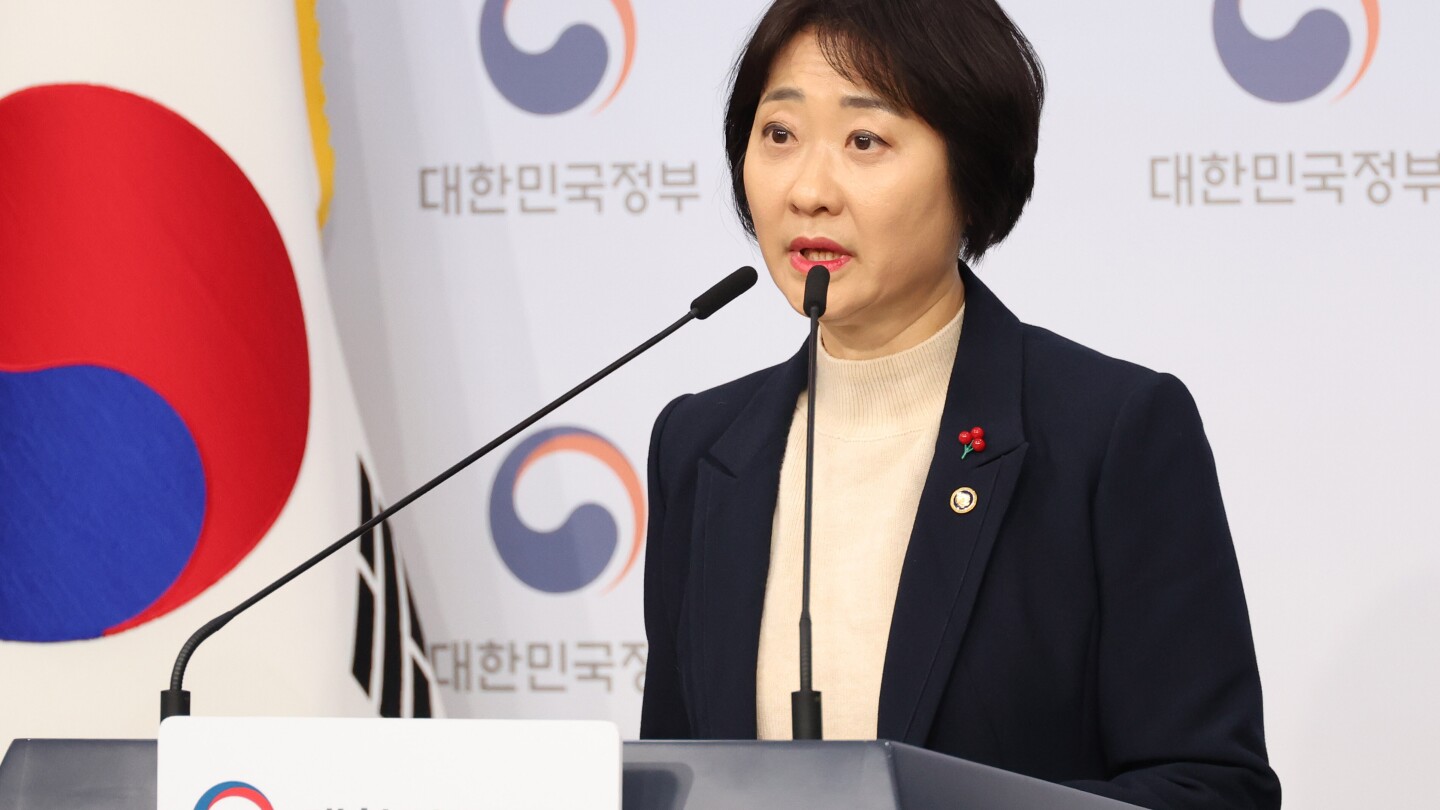
South Korea has unveiled plans to completely terminate its foreign adoption program by 2029, marking a significant policy shift following mounting international pressure over decades of systemic human rights violations. The announcement from Seoul’s Health Ministry came just hours after United Nations investigators issued a stark condemnation of the country’s failure to provide adequate truth-finding mechanisms and reparations for adoptees subjected to widespread fraud and abuse.
Vice Minister of Health and Welfare Lee Seuran confirmed the five-year phase-out plan during a Friday briefing, emphasizing the government’s commitment to restructuring child welfare policies toward domestic solutions. The move represents a dramatic decline from South Korea’s peak adoption exports in the 1980s, when over 6,000 children were sent abroad annually, to just 24 foreign adoptions approved in 2025.
The UN human rights office had earlier released a damning assessment citing ‘serious concerns’ about South Korea’s inadequate response to historical adoption abuses. Investigators highlighted the case of Yooree Kim, a 52-year-old adoptee sent to France in 1984 with falsified documents describing her as an orphan despite having biological parents. Kim endured severe physical and sexual abuse by her adoptive family and has become a central figure in seeking accountability from both South Korean and French authorities.
UN special rapporteurs criticized Seoul for suspending a government fact-finding investigation into past adoption abuses and for failing to provide adoptees effective access to remedies for serious violations that may amount to enforced disappearances. They specifically noted concerns about the ‘possible denial of their rights to truth, reparations, and memorialization.’
In its response, South Korea pointed to past reforms including a 2011 law that reinstated judicial oversight of foreign adoptions and recent steps to centralize adoption authority. However, the government acknowledged that further investigations and reparations would require future legislation, offering no concrete measures to address the vast backlog of inaccurate records that prevent many adoptees from reconnecting with birth families.
Human rights lawyer Choi Jung Kyu, representing Kim and multiple plaintiffs suing over historical abuses, characterized South Korea’s response as ‘perfunctory,’ noting that promised reparations remain unclear in draft legislation. The government previously vetoed an April bill that would have removed statutes of limitations for state-related human rights violations.
The Truth and Reconciliation Commission had recognized Kim and 55 other adoptees as victims of human rights violations in March, acknowledging state responsibility for facilitating a foreign adoption program ‘rife with fraud and abuse’ driven by efforts to reduce welfare costs. However, the commission halted its investigation weeks later due to internal disputes, leaving 311 cases unresolved pending potential legislative action.
Historical records show that South Korea’s military governments passed special laws promoting foreign adoptions, removing judicial oversight and granting extensive powers to private agencies that often manipulated children’s backgrounds. Western nations largely ignored these abuses while maintaining high demand for adoptable children, resulting in approximately 200,000 Korean children sent overseas through questionable means over several decades.