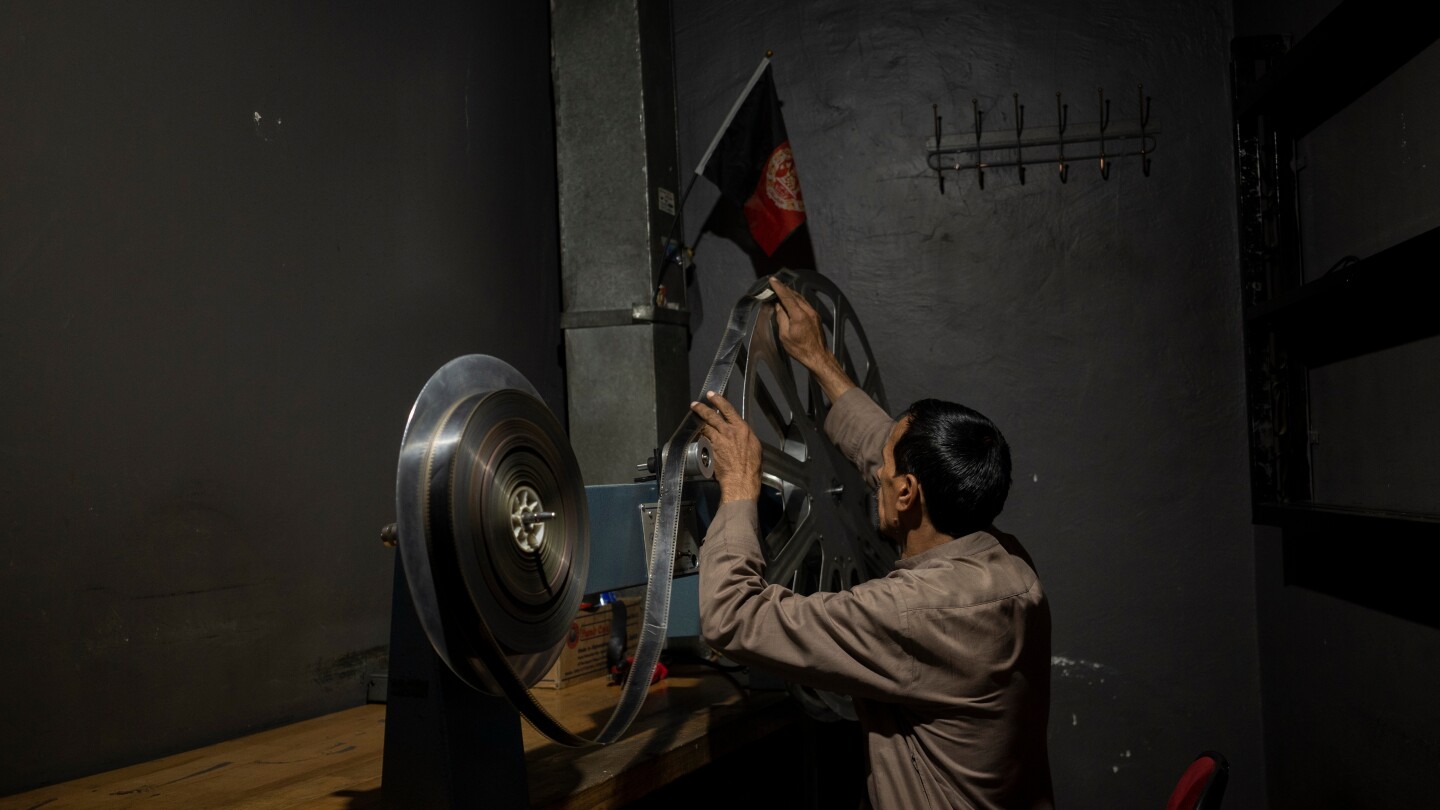
KABUL, Afghanistan — The iconic Ariana Cinema, a cultural landmark that withstood decades of revolution and warfare in Afghanistan’s capital, has been completely demolished by municipal crews, marking the end of an era for Afghan cinema enthusiasts. The demolition began on December 16 and within one week, the historic structure was reduced to rubble.
Established in 1963 during Afghanistan’s liberalizing monarchy, the cinema represented modernization efforts with its sleek architecture and became a cherished entertainment venue featuring Bollywood films and American action movies. Despite surviving Soviet invasion, civil war, and previous Taliban rule, the cinema couldn’t withstand the current administration’s urban development plans.
The Taliban government, which seized power in 2021 following the withdrawal of U.S. and NATO forces, has implemented strict interpretations of Islamic law that prohibit most forms of entertainment. Earlier this year, the regime formally dissolved the Afghan Film Administration and ordered all cinemas to cease operations.
Kabul municipal authorities justified the demolition by citing commercial development priorities. Niamatullah Barakzai, municipal spokesman, stated: ‘The area represents prime commercial real estate with significant market potential. Our objective is to generate substantial municipal revenue through strategic development of city-owned properties.’
For Afghan artists and cinema enthusiasts, the destruction represents more than architectural loss. Amir Shah Talash, an Afghan film director and actor now residing in France, described the demolition as ‘devastatingly painful news.’ Talash, whose childhood visits to the Ariana inspired his cinematic career, noted: ‘They’re not merely destroying bricks and cement but eradicating the resilience of Afghan cinema lovers who persisted through immense security challenges and hardships.’
The cinema had previously been destroyed during civil conflicts and was rebuilt in 2004 with French assistance following the Taliban’s initial ouster. It had recently served as a cultural hub where Kabul residents sought respite from daily struggles through film. ‘It provided mental and emotional relief during difficult times,’ Talash recalled. ‘This demolition signifies regression in our cultural development.’
The loss resonates internationally among South Asian cinema enthusiasts. Pakistani film lover Sohaib Romi recounted traveling to Kabul in 1974 to watch Indian films during periods of cultural prohibition in Pakistan. ‘My most cherished memories now lie buried beneath the Ariana’s rubble,’ Romi lamented.
Despite the physical destruction, Talash maintains hope for Afghan artistic expression: ‘While buildings may collapse, authentic art persists within people’s hearts and minds. The future appears challenging but not entirely hopeless.’