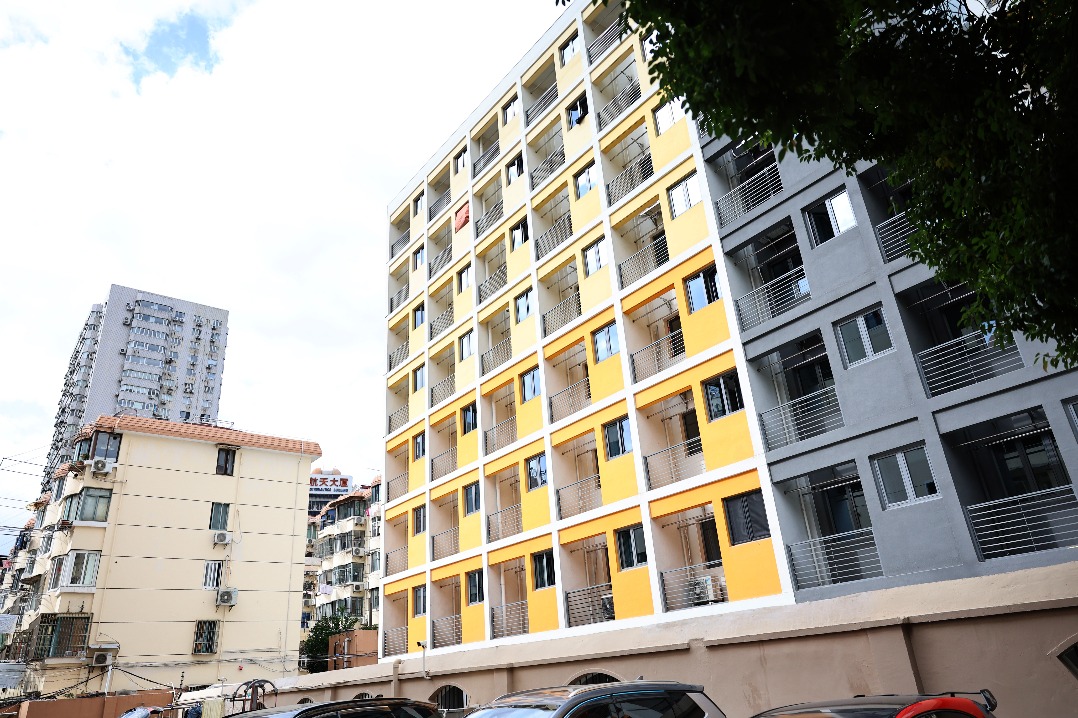
China has successfully exceeded its annual urban regeneration objective by initiating revitalization projects across 25,800 aging residential communities during the initial eleven months of 2025, according to official statistics released by the Ministry of Housing and Urban-Rural Development. This achievement demonstrates the nation’s continued commitment to enhancing urban livability through comprehensive neighborhood modernization.
The statistical report reveals that twenty-two provincial-level administrative divisions alongside the Xinjiang Production and Construction Corps have already fulfilled their annual renovation quotas. This collective effort has propelled the national program beyond its predetermined goal of refurbishing 25,000 residential complexes within the current year.
A ministry representative outlined the strategic priorities moving forward, emphasizing the integration of complete neighborhood development concepts, creation of pocket parks, and improved accessibility of green spaces. The official further highlighted plans to enhance barrier-free infrastructure and age-friendly environments, addressing the needs of China’s growing elderly demographic.
Historical context shows the remarkable scale of this ongoing initiative. Between 2019 and 2024, approximately 280,000 residential communities underwent systematic upgrades, directly improving living conditions for over 120 million residents nationwide.
This urban transformation effort aligns with directives established during July’s Central Urban Work Conference, which identified urban renewal as a crucial mechanism for optimizing city structures, transitioning development models, elevating quality of life, advancing ecological sustainability, preserving cultural heritage, and improving governance efficiency.