Britain’s nocturnal economy, sustained by a workforce of nine million, has become increasingly dependent on migrant labor as UK-born night shift workers decline dramatically over the past decade. This invisible army powers the nation’s 24-hour society while facing health challenges, policy changes, and societal recognition issues.
At a south London market, Leandro Cristovao from Angola describes night workers as “ghosts”—essential yet unseen. This phenomenon reflects a broader trend where migrants are twice as likely to work overnight compared to UK-born citizens, particularly dominating sectors like healthcare where they constitute over one-third of night staff.
Research by University College Cork sociology professor Julius-Cezar Macarie reveals this workforce maintains Britain’s round-the-clock society despite being unfairly categorized as “low-skilled.” His “Nightwork Footprint” project highlights the systemic invisibility of these essential workers.
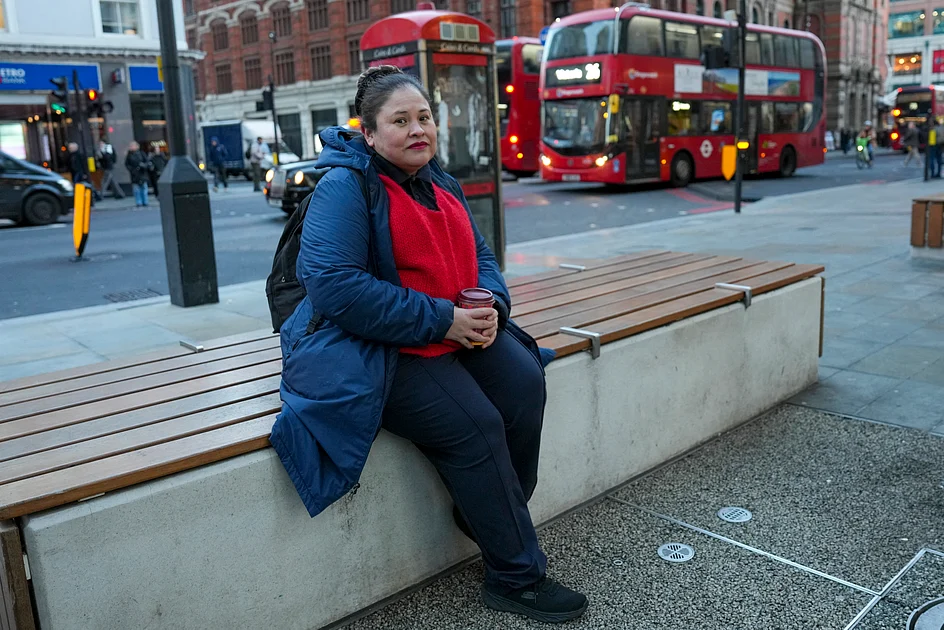
The human stories behind the statistics reveal profound challenges. Roxana Panozo Alba, a 46-year-old Bolivian-born office cleaner in central London, works overnight to care for her children during daylight hours. “Working at night damages your health,” she explains. “You try to sleep but the slightest noise wakes you.”
In healthcare, Omatule Ameh from Nigeria works overnight with children having learning disabilities, then cares for his own children during the day on just three hours of sleep. “It takes a gradual toll on you emotionally and mentally,” says the minimum-wage worker.
Similarly, Judith Munyonga from Zimbabwe monitors spinal injury patients through 12-hour night shifts, using music to stay awake in darkness. Both caregivers express concern about recent policy changes eliminating care worker visas and family reunification provisions.
The hospitality sector relies heavily on migrants like Sandeep, a 21-year-old Nepali computer science graduate working nights as a chef after failing to find technology employment. Facing visa expiration due to increased salary requirements, he questions: “They gave me hope… now what’s the point of telling me to go back?”
Business owners acknowledge their dependence on migrant night workers. Martin Dykes of Nature’s Choice warns that without them, “restaurants wouldn’t survive” following post-Brexit labor shortages.
Despite challenges, these workers demonstrate remarkable resilience. As Cristovao states defiantly while gesturing toward sleeping residential towers: “While they are sleeping, we are here.”