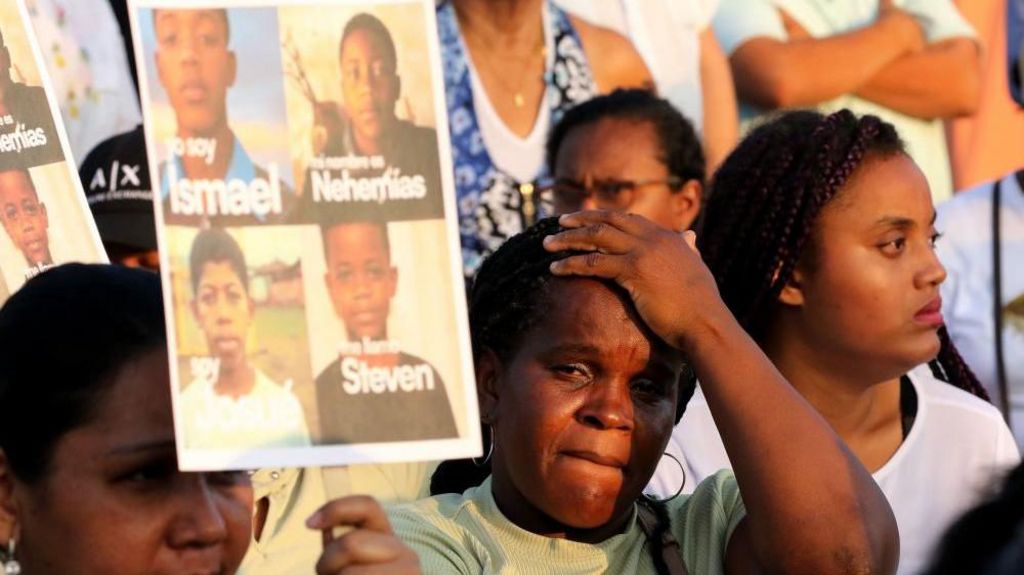
In a landmark judicial ruling that has captured national attention, an Ecuadorian court has delivered severe sentences to military personnel convicted in the forced disappearance and subsequent deaths of four minors. Eleven soldiers received prison terms of 34 years and eight months each for their involvement in the 2023 incident that resulted in the tragic deaths of Nehemías Arboleda (15), Steven Medina (11), and brothers Ismael (15) and Josué Arroyo (14).
The case unfolded in Guayaquil, where the boys were apprehended by a military patrol while returning from a football game. Judicial investigations revealed that the soldiers forcibly removed the children’s clothing, subjected them to physical abuse and racist taunts, and abandoned them naked in a perilous, isolated area. Despite one victim managing to contact his father, the boys had vanished by the time assistance arrived. Their brutally beaten and charred remains were discovered days later near a military installation.
Of the seventeen defendants initially charged, five received reduced sentences of two and a half years for cooperating with prosecutors, while a lieutenant-colonel was acquitted entirely. The court dismissed the defense’s claim that the soldiers bore no responsibility since the victims were alive when abandoned, instead ruling that the deliberate placement in a hazardous environment directly caused their deaths.
Presiding Judge Rodríguez delivered a sweeping verdict that condemned the actions as ‘a state crime’ against innocent civilians. The ruling mandates official apologies to the victims’ families, the installation of a commemorative plaque, and compulsory human rights training for all military personnel. The case has sparked intense scrutiny of Ecuador’s ongoing militarized campaign against drug cartels and organized crime, which has significantly expanded military powers amid escalating violence nationwide.
The victims, collectively known as ‘The Malvinas Four’ after their neighborhood, have become symbols of both institutional accountability and the human cost of Ecuador’s security crisis. While the judgment identifies the military patrol as responsible for the disappearances and subsequent deaths, investigations continue into the unidentified parties who burned the victims’ remains.