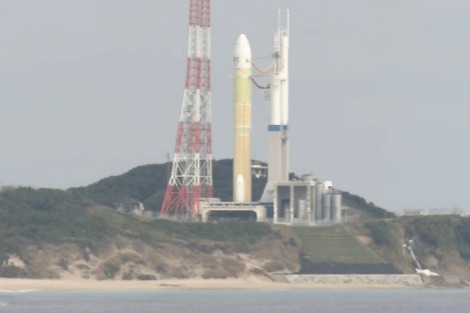
Japan’s ambitious space program encountered a significant setback on Monday morning when its flagship H3 rocket experienced a critical anomaly during ascent. The launch, conducted by the Japan Aerospace Exploration Agency (JAXA) from the Tanegashima Space Center, proceeded normally through initial stages before the second-stage engine unexpectedly terminated combustion ahead of schedule.
The H3 rocket represents Japan’s next-generation launch vehicle, developed as a more cost-effective and competitive alternative to existing rockets in the global space market. This mission carried substantial importance for Japan’s space ambitions and its positioning in the international satellite launch industry.
While the rocket achieved successful first-stage separation and ignition of the second stage, the premature engine shutdown prevented the vehicle from reaching its intended orbit. JAXA engineers immediately initiated data analysis to determine the root cause of the combustion anomaly. The incident marks another challenge for the H3 program, which has faced developmental hurdles since its inception.
The failure carries significant implications for Japan’s space logistics capabilities, particularly for resupply missions to the International Space Station and future scientific payloads. Space industry analysts are monitoring how this setback might affect Japan’s competitive stance against other space-faring nations and commercial launch providers.