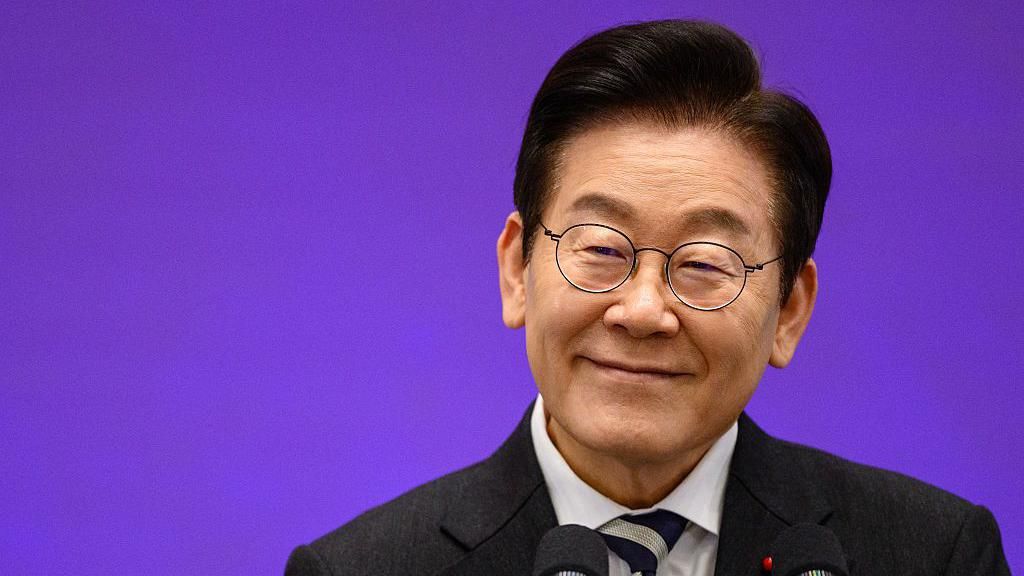
South Korean President Lee Jae Myung has ignited a national debate by proposing that the country’s national health insurance should cover treatments for hereditary hair loss. During a government briefing this week, President Lee challenged the conventional classification of hair loss treatments as merely cosmetic, asserting they should be recognized as “a matter of survival” for many citizens.
This proposition has generated polarized reactions across the nation. While many social media users have praised the initiative, hailing Lee as the “best president in history,” others remain skeptical of its necessity and financial viability. Current policy already covers hair loss resulting from medical conditions, but Health Minister Jeong Eun-kyeong clarified that hereditary pattern baldness is excluded because it is not life-threatening.
The debate unfolds against the backdrop of South Korea’s renowned beauty standards, where appearance holds significant social and professional weight. Official data reveals that 40% of the 240,000 people who sought medical help for hair loss last year were in their 20s and 30s, highlighting a pressing concern among the youth. Individuals like Lee Won-woo, 33, describe how hair loss severely impacts self-confidence and daily life, though he questions the financial logic of subsidization given the insurance system’s record deficit of 11.4 trillion won ($7.7 billion) last year.
Critics, including the Korean Medical Association, argue that limited public funds should prioritize more severe diseases and vulnerable groups. Many citizens have expressed frustration on social media, comparing the proposal to a “bad joke” when issues like high suicide rates and misogyny demand greater attention. President Lee, who first championed this policy during his unsuccessful 2022 campaign, has also suggested adding obesity drugs to the insurance scheme, emphasizing the need to address youth-specific concerns. Political analysts speculate the move may be a strategic gesture to consolidate support among young male voters ahead of the 2026 local elections, though serious implementation remains uncertain.