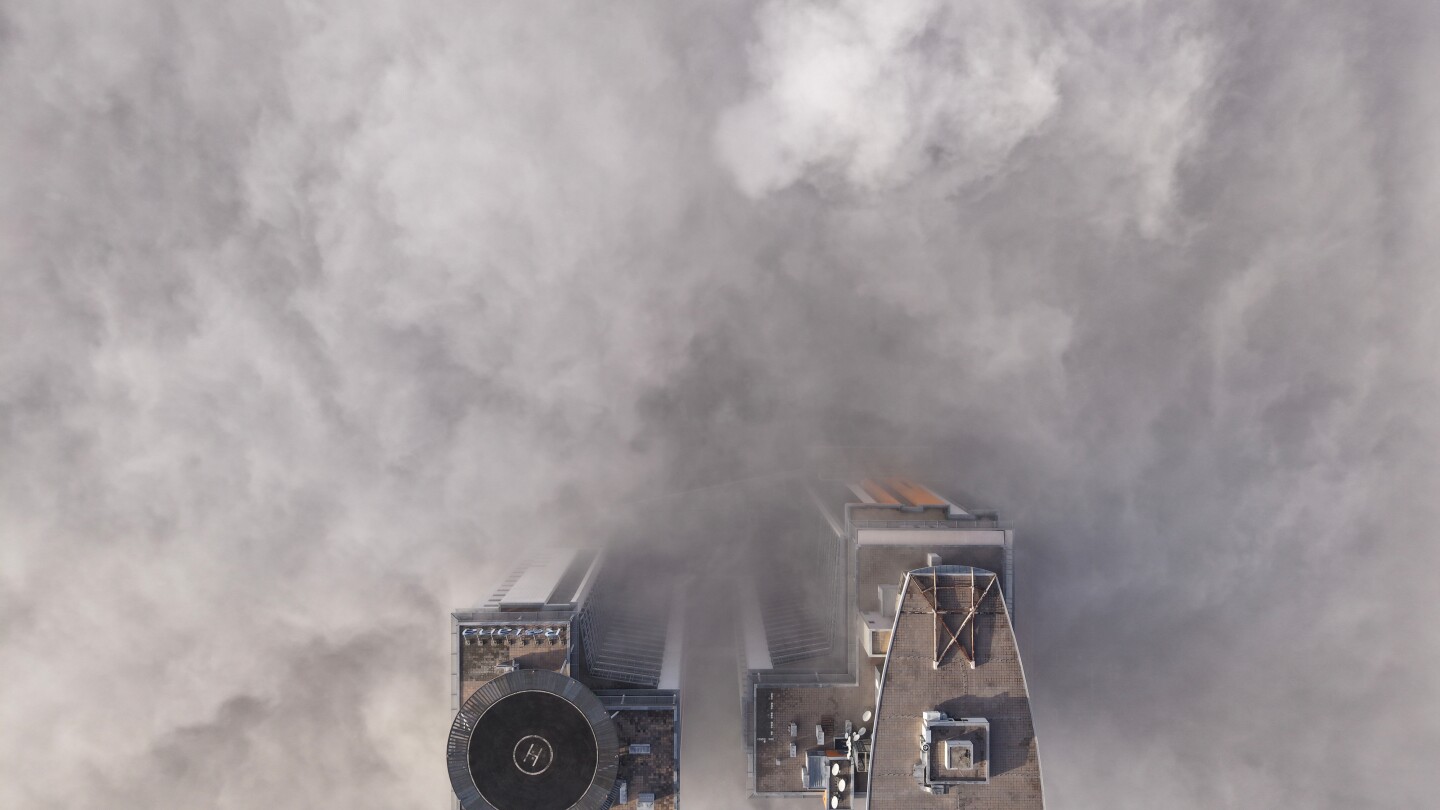
Sarajevo, the capital of Bosnia-Herzegovina, experienced severe disruptions Thursday as a dense layer of polluted fog descended upon the city, prompting authorities to implement emergency measures. The hazardous conditions led to widespread flight cancellations at Sarajevo International Airport, while residents faced dramatically reduced visibility during morning commutes.
The city’s geographical location within a mountain valley exacerbates its winter pollution crisis, trapping toxic air from residential heating and vehicle emissions for extended periods without wind circulation. Swiss air quality monitoring firm IQAir classified Sarajevo’s air quality as ‘unhealthy,’ maintaining its notorious position among the world’s most polluted urban centers.
Municipal authorities responded with stringent restrictions, prohibiting trucks exceeding 3.5 tons from the city center and banning all non-EU compliant vehicles. Outdoor construction projects were suspended indefinitely, and public gatherings were prohibited to minimize exposure risks.
Medical experts highlighted the grave health implications of PM2.5 particles—microscopic inhalable pollutants measuring 2.5 micrometers or smaller. These dangerous particulates have been directly linked to increased respiratory infections, cardiovascular diseases, cancer diagnoses, and premature mortality rates throughout Sarajevo and other Western Balkan urban areas.
The environmental crisis extends beyond Bosnia’s borders, with Belgrade, Serbia’s capital, similarly recording ‘unhealthy for sensitive groups’ air quality levels. Despite aspirations for European Union membership, Balkan nations continue to struggle with environmental protection, evidenced by garbage-choked waterways, minimal recycling infrastructure, and unchecked urban development that eliminates green spaces.