A groundbreaking Chinese innovation in materials science has received global recognition, with Physics World naming the development of ultrathin metal films as one of 2025’s top 10 scientific breakthroughs. The prestigious accolade highlights China’s emerging leadership in advanced materials research and development.
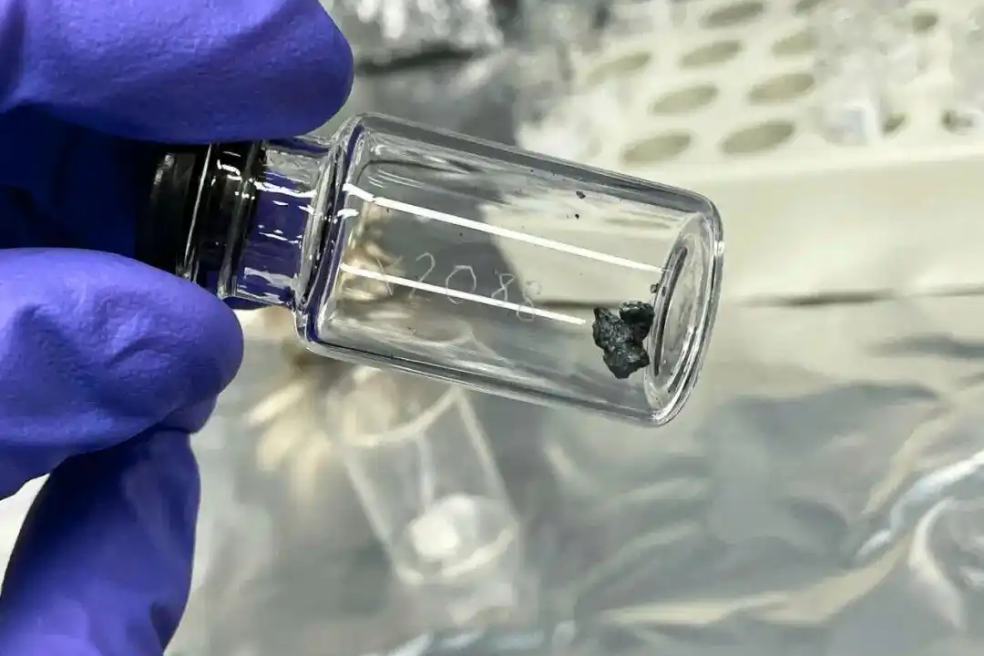
The pioneering research, conducted by the Institute of Physics at the Chinese Academy of Sciences, has successfully produced the world’s first single-atom-layer metal materials. These revolutionary materials measure at the angstrom scale—approximately one-millionth the thickness of standard A4 paper and one-200,000th the diameter of a human hair.
This achievement represents a significant milestone in materials science, particularly considering that non-layered metals constitute approximately 80% of the periodic table’s elements. Previously, scientists considered these metals nearly impossible to reduce to single atomic layers due to their tightly bonded three-dimensional atomic structures. While hundreds of two-dimensional materials have been created since graphene’s discovery in 2004, all previously originated from layered crystals.
The research team overcame this fundamental challenge through an innovative van der Waals squeezing technique. This method utilizes molybdenum disulfide as an anvil to compress two-dimensional metals including bismuth, tin, lead, indium, and gallium.
The resulting two-dimensional metals exhibit exceptional properties, including remarkable environmental stability with no performance degradation observed for over one year. They feature nonbonding interfaces that enable researchers to better explore the materials’ intrinsic properties while demonstrating higher room-temperature conductivity than conventional alternatives.
These advanced materials are expected to enable macroscopic quantum phenomena and serve as core components for numerous technological innovations. Potential applications include low-power transistors, high-frequency electronic devices, and ultrasensitive detection systems that could transform multiple industries.
Physics World’s annual list is widely regarded as one of the most authoritative recognitions in the scientific community. Selection criteria require demonstrated scientific importance, substantial advancement of knowledge frontiers, successful integration of theory and experimentation, and significant attention from physicists worldwide. This achievement marks the seventh time Chinese-led research has been honored since the list’s establishment in 2009.