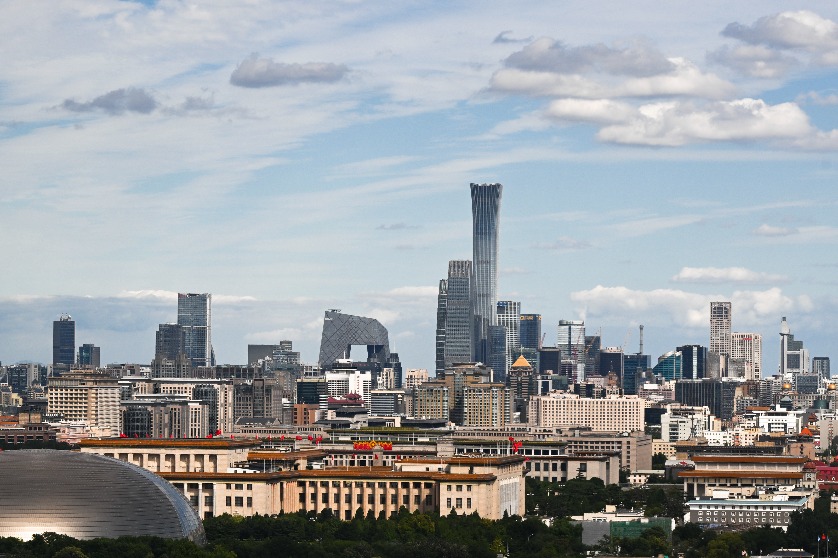
Since the comprehensive overhaul of Beijing’s development blueprint in 2017, the Chinese capital has undergone a remarkable metamorphosis in urban planning and ecological restoration. Official data reveals the demolition of over 238 million square meters of unauthorized constructions and the reclamation of approximately 275 square kilometers of land, marking one of the world’s most ambitious urban renewal initiatives.
The strategic redistribution of urban functions has been central to this transformation. Numerous industrial projects have been systematically relocated to suburban zones or neighboring provinces, while governmental administrative operations have been transferred to the newly established municipal center in Tongzhou District. Concurrently, multiple state-owned enterprises, academic institutions, and medical facilities have established satellite operations in Xiong’an New Area, fostering balanced regional development alongside the capital’s decentralization efforts.
Ecological enhancement has emerged as a cornerstone achievement. Current statistics indicate that more than 92% of Beijing’s residents now reside within 500 meters of accessible green spaces. The municipal landscape boasts an impressive network of 1,136 parks and hosts upwards of 1,100 annual eco-cultural events, fundamentally altering the urban experience. This greening initiative represents a paradigm shift from purely economic development toward sustainable urban living, creating what planners describe as ‘a city within nature’ rather than nature within the city.
The coordinated development approach has simultaneously addressed urban overcrowding while promoting economic integration across the Beijing-Tianjin-Hebei region. This seven-year transformation demonstrates how strategic planning can reshape megacities to prioritize livability, environmental sustainability, and balanced economic growth, offering potential lessons for urban centers worldwide grappling with similar challenges of density and development.