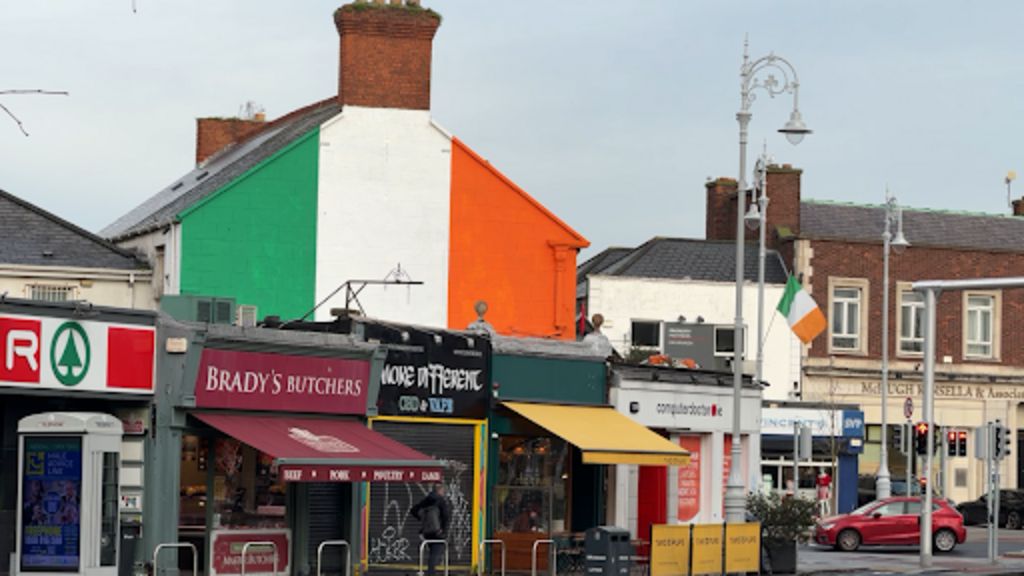
Dublin has become the stage for a complex cultural confrontation as the Irish tricolour flag transforms into a symbol of division rather than unity. Across the capital’s northern districts, particularly in East Wall, numerous flags have appeared on street lamps without official authorization, sparking intense community debate about national identity and inclusion.
The phenomenon has drawn sharp criticism from political figures and anti-racism advocates who characterize these displays as territorial marking and intimidation tactics. Conversely, far-right groups and certain community members maintaining the installations reject accusations of racism, insisting they simply express national pride.
Dublin City Council has adopted a cautious stance, declining to remove the flags despite their unauthorized status. Officials deem removal ‘counterproductive,’ instead proposing educational initiatives about the flag’s historical significance and meaning.
In response to the perceived co-opting of national symbolism, the #OurFlag movement has emerged seeking to reclaim the tricolour as an inclusive emblem. Organizer Dil Wickremasinghe, a prominent broadcaster and psychotherapist, described the campaign as resistance against those weaponizing the flag to create atmospheres of exclusion. She shared her personal experience of her six-year-old son expressing fears about safety following the 2023 Dublin riots, highlighting the very real human impact of such symbolic conflicts.
Independent Councillor Malachy Steenson represents the opposing viewpoint, vigorously supporting the flag displays as legitimate expressions of national identity while rejecting any immigration-related motivations. He argues for the tricolour’s exclusive presence on public infrastructure, opposing other flags including European or Pride banners.
Meanwhile, Social Democrat Councillor Cat O’Driscoll reports significant community concern about the anti-immigration messaging potentially associated with the flags. This concern has manifested physically through a new mural proclaiming ‘North Wall welcomes all’ along North Strand Road, creating a visual counter-narrative to the flag campaign.
Academic analysis from Professor Dominic Bryan of Queen’s University Belfast contextualizes Dublin’s situation within broader UK and Irish patterns, noting how national flags can simultaneously express patriotism and function as instruments of coercive control. This duality creates particular challenges for authorities reluctant to remove national symbols.
The council’s current strategy emphasizes community engagement and education over enforcement, aiming to foster deeper understanding of the flag’s intended meaning while addressing safety concerns only when installations create tangible hazards.