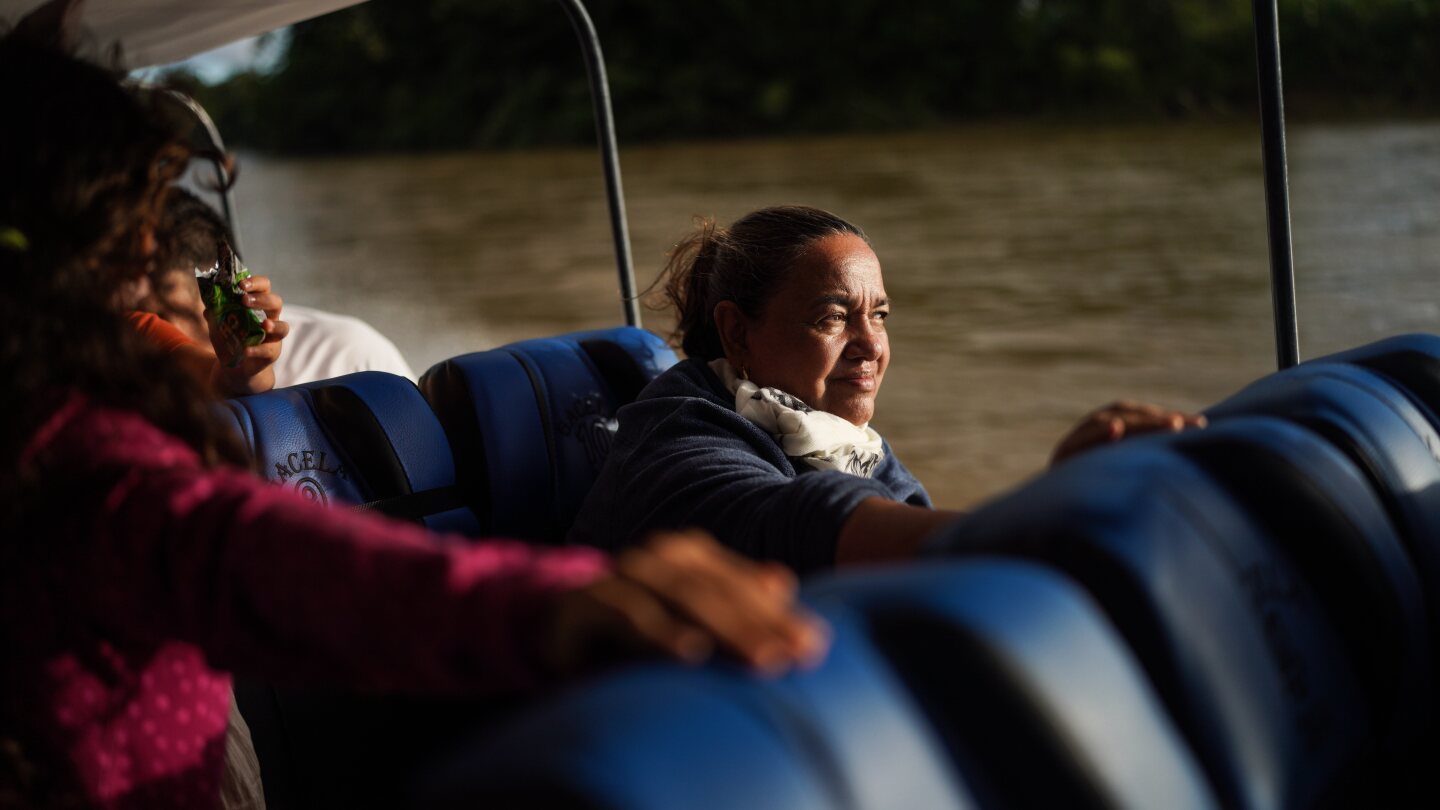
In the volatile Putumayo region of Colombia, environmental defender Jani Silva embodies the precarious existence faced by land protectors in the world’s deadliest country for environmental activists. For over eight years, Silva has been unable to sleep in her riverside home, forced into a nomadic existence under constant threat from armed groups opposing her conservation efforts.
According to Global Witness monitoring, Colombia accounted for nearly one-third of global killings of environmental defenders in 2024, with 48 documented cases. This alarming statistic underscores the extreme risks facing those who challenge powerful interests in resource-rich regions.
Despite government protection measures including four full-time bodyguards provided by Colombia’s National Protection Unit for the past 12 years, Silva’s security situation remains dire. The 63-year-old activist now resides under guard in Puerto Asis, a river town near the Ecuador border, only visiting her community for brief daytime excursions accompanied by protection details.
Silva’s work focuses on the Amazon Pearl reserve, a 227-square-kilometer protected area managed by ADISPA, the farming association she leads. This biodiversity hotspot shelters approximately 800 families who have resisted oil drilling, deforestation, and illicit crop cultivation for decades. The reserve represents a remarkable community-led conservation model featuring reforestation projects, wetland protection programs, and sustainable agroecology initiatives.
The association’s successful beekeeping projects, which utilize native stingless bees to teach biodiversity conservation to children, exemplify the innovative approaches developed by community members. More than 600 families now participate in conservation projects that began through local initiative, including native seed exchanges, temporary hunting bans, and the cultivation of over 120,000 native seedlings to restore degraded ecosystems.
However, these conservation achievements occur within a context of intense conflict. Armed groups known as Border Commandos control territory, river traffic, and local economies throughout Putumayo, emerging after Colombia’s 2016 peace accord with FARC rebels created power vacuums across the Amazon region. These groups enforce control through extortion, illegal taxation, and regulation of coca cultivation and clandestine mining operations.
Human Rights Watch recently documented how armed groups in Putumayo have tightened control over daily life, committing serious abuses against civilians including forced displacement and targeting of local leaders. The presence of illegal coca cultivation near conservation areas highlights the ongoing challenges faced by communities attempting to establish sustainable alternatives.
Despite the dangers, Silva remains committed to her work. “I have a calling to serve,” she stated. “I feel like I am needed… there is still so much to do.” Her dedication has inspired a new generation of leaders, including her daughter Anggie Miramar Silva, who works with ADISPA’s technical team while grappling with the same fears that haunt her mother.
Advocacy groups argue that government protection measures, while benefiting approximately 15,000 people nationwide, frequently prove inadequate in rural conflict zones. Andrew Miller of Amazon Watch emphasizes that Colombian authorities must move beyond bodyguards to prosecute those orchestrating threats against defenders.
As Colombia continues to navigate post-conflict challenges, the struggle of environmental defenders like Jani Silva represents both the profound risks and critical importance of community-led conservation in preserving the Amazon’s future.